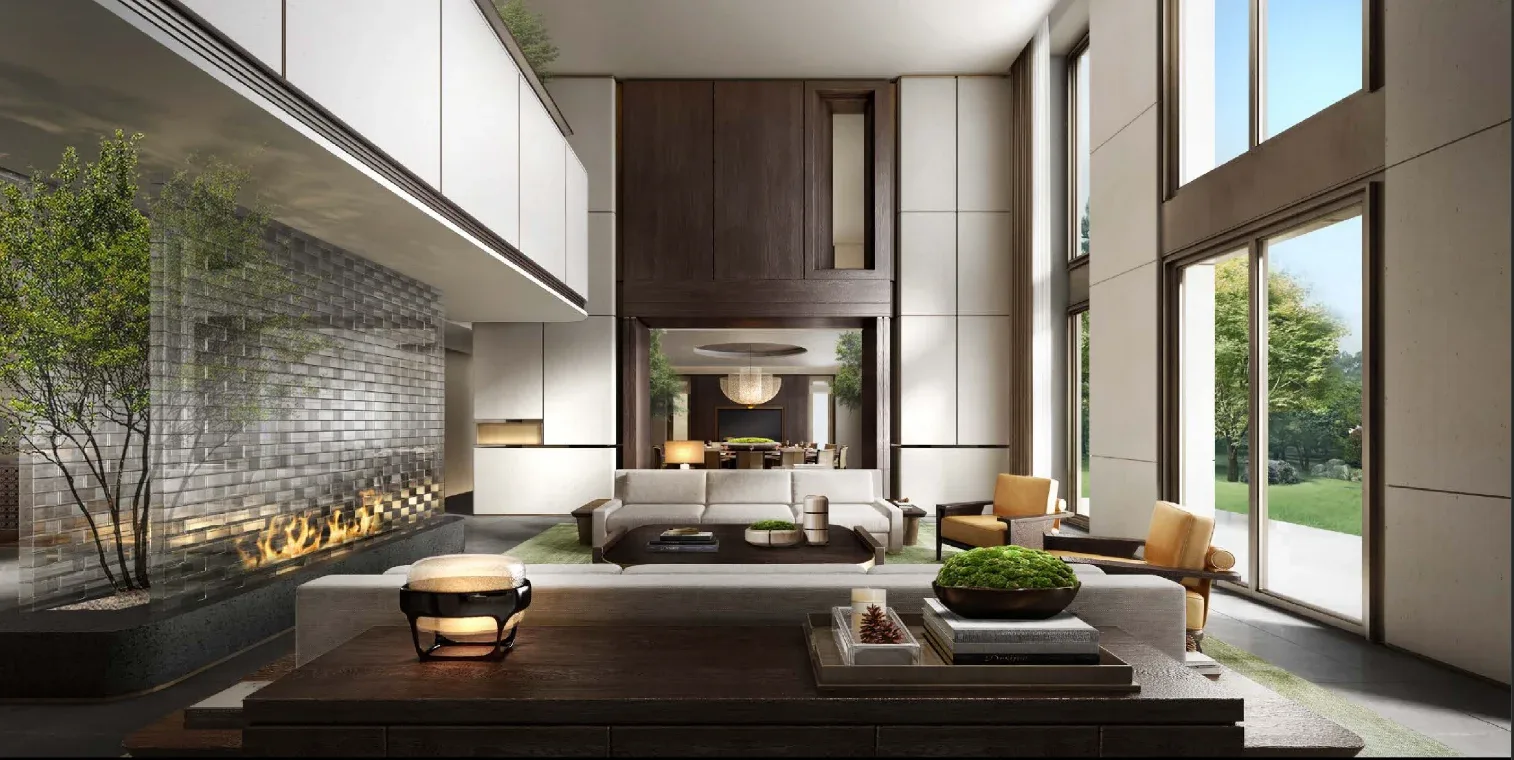
Hong Kong Hotel Interior Design — Crafting Iconic Luxury Hospitality Experiences
Hong Kong has always been a city of contrast—skyline drama, harbour views, dense urban energy, and refined cultural heritage. In one neighbourhood you find heritage temples and cha chaan teng cafés; in another, world-class luxury retail and five-star hospitality towers.Hotel Interior Design hong Kong
For hotels operating in such a competitive destination, interior design is far more than aesthetics. It becomes the language that communicates identity, creates emotional connection, and defines guest experience from arrival to departure.
Thoughtful Hong Kong Hotel Interior Design transforms a building into a destination. Through spatial storytelling, cultural sensitivity, and strategic planning, hospitality spaces become memorable environments where travellers feel both inspired and welcomed—hou yat (very good), as locals might say.
At our firm, we approach hotel design not simply as decoration but as a carefully orchestrated guest journey that balances luxury, operational efficiency, and the unmistakable character of Hong Kong.
Understanding Hong Kong’s Unique Hospitality Landscape
Hong Kong remains one of Asia’s most influential tourism and business hubs. International travellers arrive for finance, trade exhibitions, shopping, and cultural exploration. Business districts like Central, Admiralty, and Wan Chai host corporate travellers, while areas such as Tsim Sha Tsui, Causeway Bay, and West Kowloon attract leisure visitors seeking harbour views, nightlife, and luxury retail.
Despite fluctuations in global travel, Hong Kong’s hospitality sector continues evolving. Hotels must differentiate themselves through experience rather than scale alone. Boutique lifestyle hotels are emerging alongside global luxury brands, and travellers increasingly expect environments that feel authentic to the city.
Climate also influences design decisions. Hong Kong’s humid subtropical weather demands careful material selection, ventilation strategies, and lighting solutions that maintain comfort while preserving elegance.
The most successful hotels blend international luxury standards with subtle cultural cues—spaces that feel globally refined yet unmistakably local.
Designing the Guest Journey: From Arrival to Departure
Luxury hospitality design begins with one fundamental question: how will guests feel as they move through the space?
In Hong Kong, where urban density shapes architecture, hotel interiors must create moments of calm within the city’s fast pace. Spatial planning becomes a choreography that guides guests seamlessly through different atmospheres.
The journey typically unfolds across several key stages:
Arrival and Lobby Experience
Public Social Spaces
Guest Room Retreats
Dining and Lifestyle Venues
Wellness and Relaxation Areas
Each stage contributes to the narrative of the hotel.
Our approach to Hong Kong Hotel Interior Design begins by mapping this journey, ensuring every touchpoint—from check-in to evening cocktails—feels intuitive, elegant, and emotionally engaging.
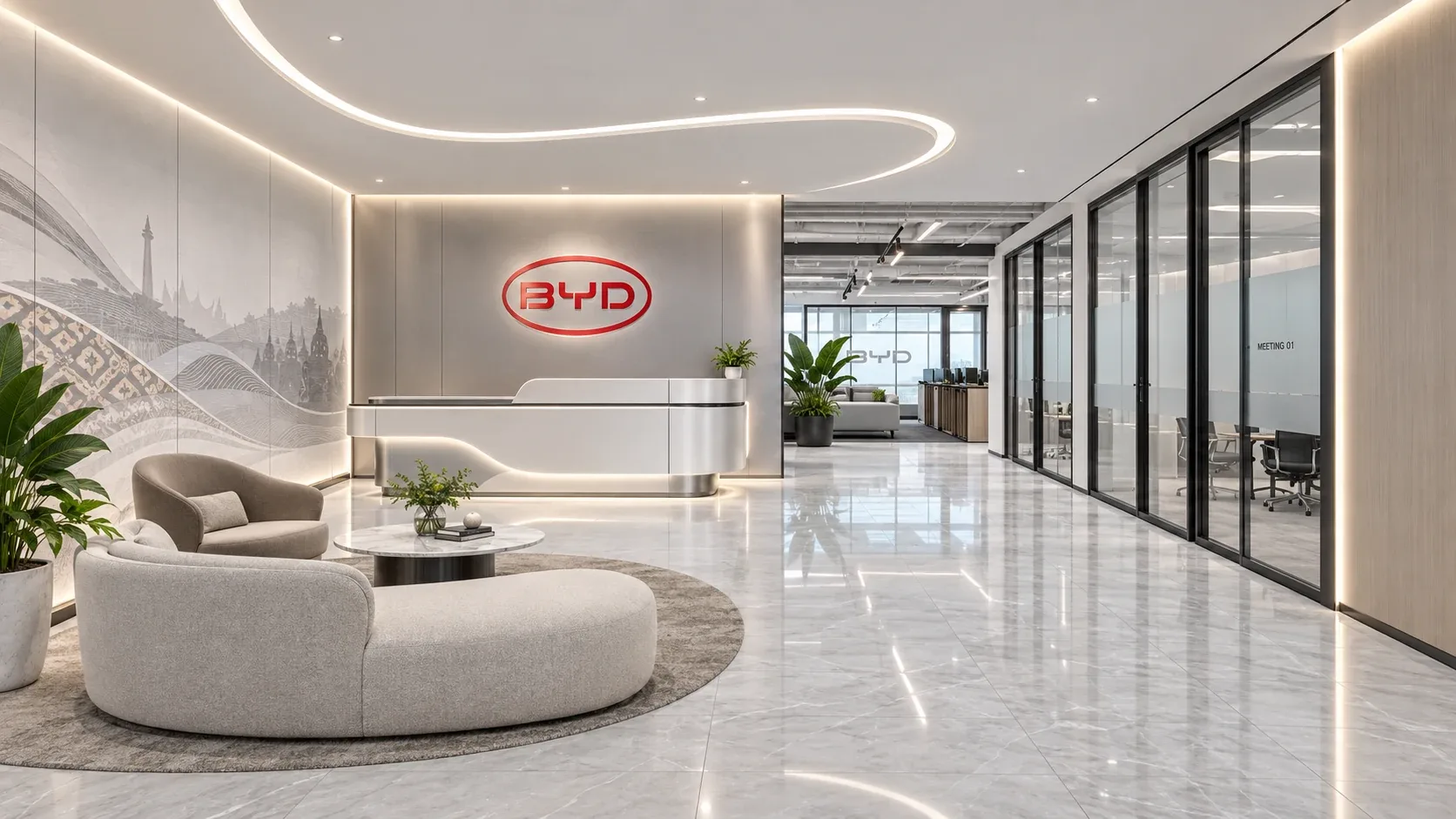
The Lobby: Where First Impressions Become Identity
In Hong Kong’s luxury hotels, the lobby is not merely a reception area. It is the stage where brand identity is introduced.
Because many hotels occupy vertical towers rather than expansive resort grounds, the lobby must immediately establish atmosphere. High ceilings, sculptural lighting installations, and carefully layered materials help counterbalance the density of the surrounding city.
Design elements often reflect Hong Kong’s cultural narrative:
-
Stone and bronze inspired by traditional Chinese craftsmanship
-
Modern interpretations of lattice patterns
-
Art installations referencing harbour movement
-
Subtle red or jade accents symbolising prosperity and harmony
At the same time, functionality remains critical. Efficient circulation, discreet concierge areas, and flexible seating zones ensure the lobby supports both social gatherings and private moments.
When designed thoughtfully, the lobby becomes a destination—where travellers pause, meet, and absorb the spirit of the city.
Guest Rooms: Urban Sanctuary Above the Skyline
After navigating Hong Kong’s vibrant streets, guests crave calm. Guest rooms must therefore function as personal sanctuaries.
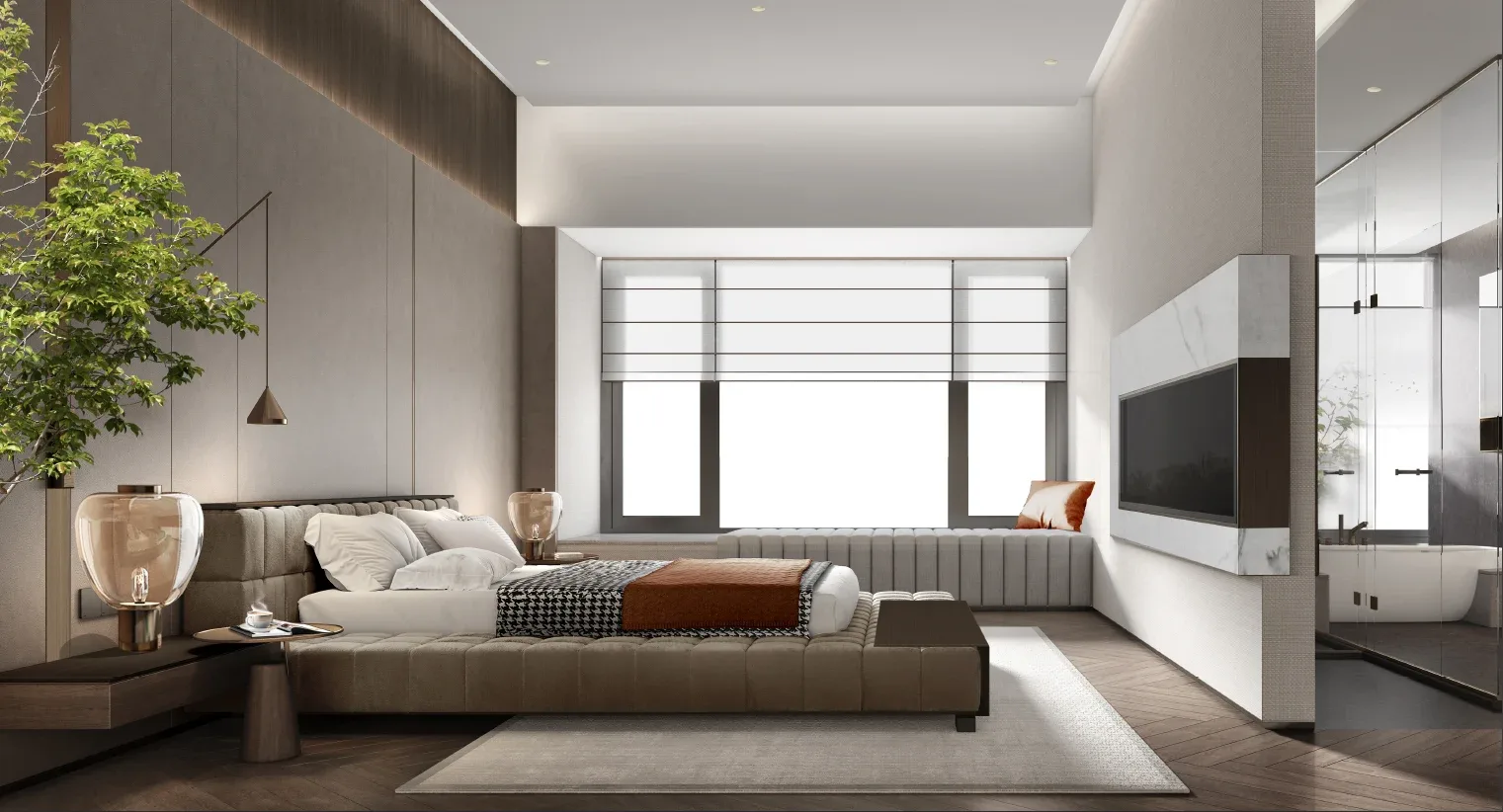
Space is often limited compared to resort environments, so intelligent spatial planning is essential. Built-in furniture, multifunctional storage, and carefully positioned lighting create a sense of openness even within compact footprints.
In our Hong Kong Hotel Interior Design projects, guest rooms typically emphasise three qualities:
Comfort
Soft textiles, layered lighting, and ergonomic furniture create relaxation.
Connection to the City
Large windows frame views of Victoria Harbour or the city skyline, reinforcing the sense of place.
Timeless Elegance
Neutral palettes combined with subtle cultural textures ensure longevity without feeling dated.
Technology also plays an important role. Integrated lighting controls, smart climate systems, and seamless connectivity cater to modern travellers—especially business guests visiting financial districts like Central.
Dining Spaces: Where Hospitality Meets Lifestyle
Food culture is central to Hong Kong’s identity. From Michelin-starred Cantonese restaurants to casual noodle shops, dining is deeply social and experiential.
Hotel restaurants must therefore compete not only with other hotels but with the city’s dynamic culinary scene.
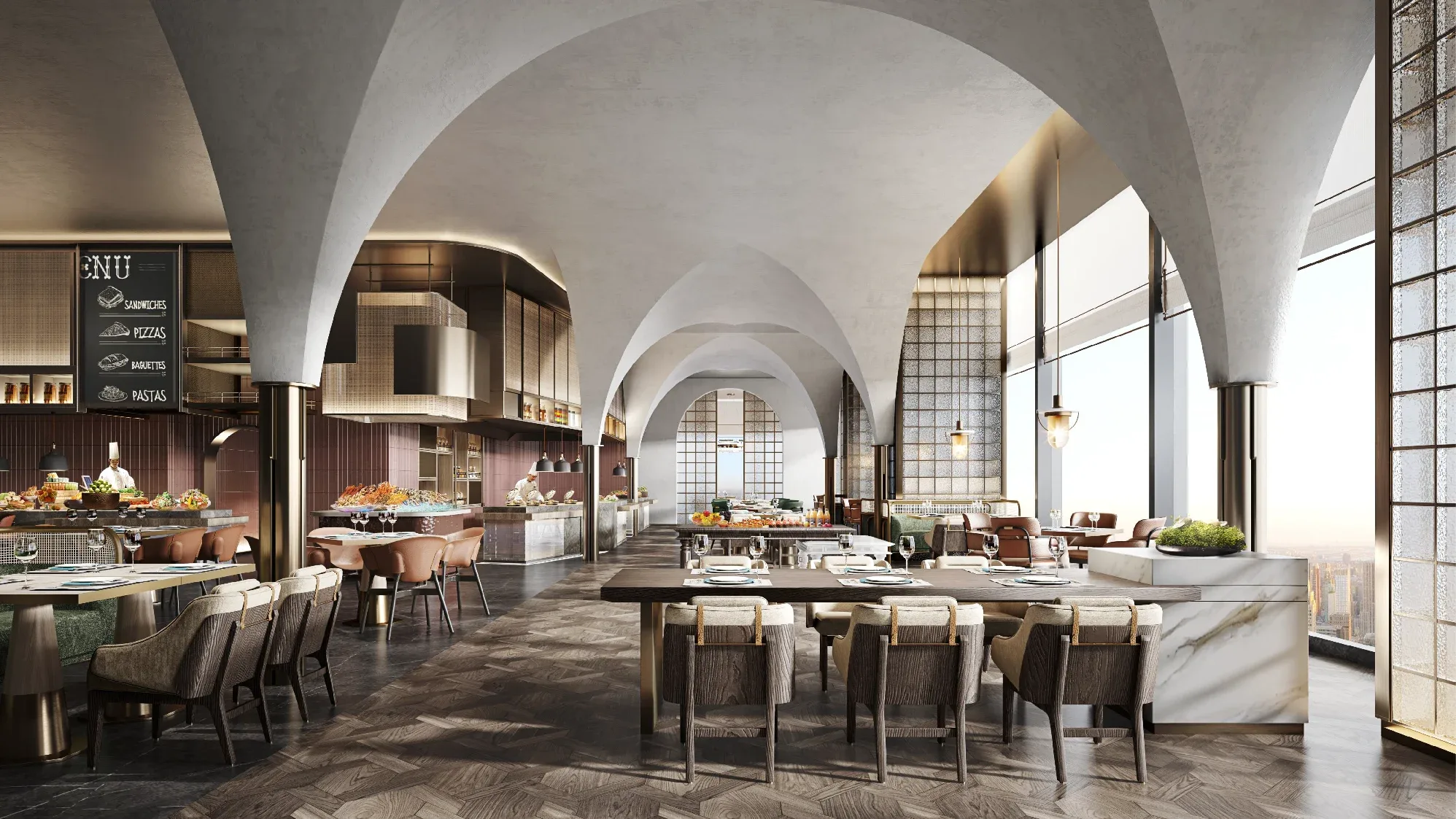
Design strategies often include:
Layered Atmospheres
A restaurant may transition from daytime brunch ambience to sophisticated evening dining through lighting and furniture flexibility.
Visual Storytelling
Open kitchens, curated wine displays, and locally inspired artwork enhance authenticity.
Social Connectivity
Communal tables, bar counters, and lounge seating encourage interaction.
A restaurant within a hotel should feel like a destination locals want to visit, not simply an amenity for guests. When done well, these spaces become cultural hubs where travellers and residents mingle.
Lounge Spaces and Social Energy
Modern hospitality increasingly embraces social spaces that blur the line between hotel and lifestyle venue.
Lounges and rooftop bars in Hong Kong often showcase dramatic city views, becoming evening hotspots for both guests and locals. Interior design plays a key role in shaping atmosphere—warm lighting, plush seating, and layered acoustics create environments that feel intimate despite the city’s density.
Designers must carefully balance glamour with comfort. Materials such as velvet, marble, and brass provide sophistication, while flexible seating arrangements support both private conversations and lively gatherings.
These spaces embody the phrase locals might say when describing a great evening out: “Yat bun yat bun”—perfectly balanced.
Wellness and Escape Within the City
Luxury travellers increasingly prioritise wellness. In Hong Kong, where urban intensity can feel overwhelming, spa and wellness areas provide essential contrast.
Designing these spaces involves shifting the sensory experience entirely. Lighting becomes softer, materials more tactile, and sound carefully controlled.
Natural textures such as stone, timber, and water features evoke tranquillity while referencing regional aesthetics. Aromatherapy, acoustic insulation, and gentle lighting sequences help guests transition from the city’s energy into restorative calm.
Wellness spaces also support long-stay business travellers who seek balance between productivity and relaxation.
Craftsmanship, Materials, and Timeless Elegance
High-end hospitality design depends on craftsmanship. Premium materials must not only appear luxurious but also withstand heavy operational use.
In Hong Kong’s humid climate, durability is especially important. Materials such as engineered stone, treated wood, and high-performance textiles ensure longevity while maintaining elegance.
Lighting design plays an equally critical role. Layered illumination—combining architectural lighting, decorative fixtures, and indirect glow—creates atmosphere while highlighting textures and architectural features.
True luxury is rarely about excess. Instead, it emerges from balance, restraint, and thoughtful detail.
Global Vision with Local Cultural Sensitivity
Designing hotels in Hong Kong requires a nuanced understanding of both international travellers and local traditions.
International guests expect global standards of comfort, while local cultural cues ensure authenticity. Subtle references to feng shui principles, symbolic colour palettes, and traditional craft motifs can enrich the narrative without overwhelming the contemporary design language.
Our firm approaches Hong Kong Hotel Interior Design with this balance in mind: global hospitality expertise combined with deep respect for local culture and urban context.
From Concept to Completion
Luxury hospitality design succeeds only when creativity aligns with execution.
Our process begins with concept development—defining the narrative, spatial layout, and guest journey. From there we move through detailed design, material selection, lighting studies, and technical coordination.
Close collaboration with architects, engineers, and contractors ensures that design vision translates seamlessly into built reality. Every stage—from initial sketches to final installation—focuses on delivering a cohesive environment that supports both guest experience and operational performance.
Creating Hotels That Become Destinations
In a city as competitive and sophisticated as Hong Kong, memorable design is a powerful differentiator.
Thoughtful Hong Kong Hotel Interior Design elevates more than aesthetics. It strengthens brand identity, enhances guest satisfaction, and creates environments people remember long after their stay.
The most iconic hotels are not defined by size or opulence alone. They are defined by atmosphere, storytelling, and the emotional connection they create.
When design is approached with creativity, cultural sensitivity, and strategic insight, a hotel becomes more than accommodation—it becomes part of the city’s story.
Connect with us in