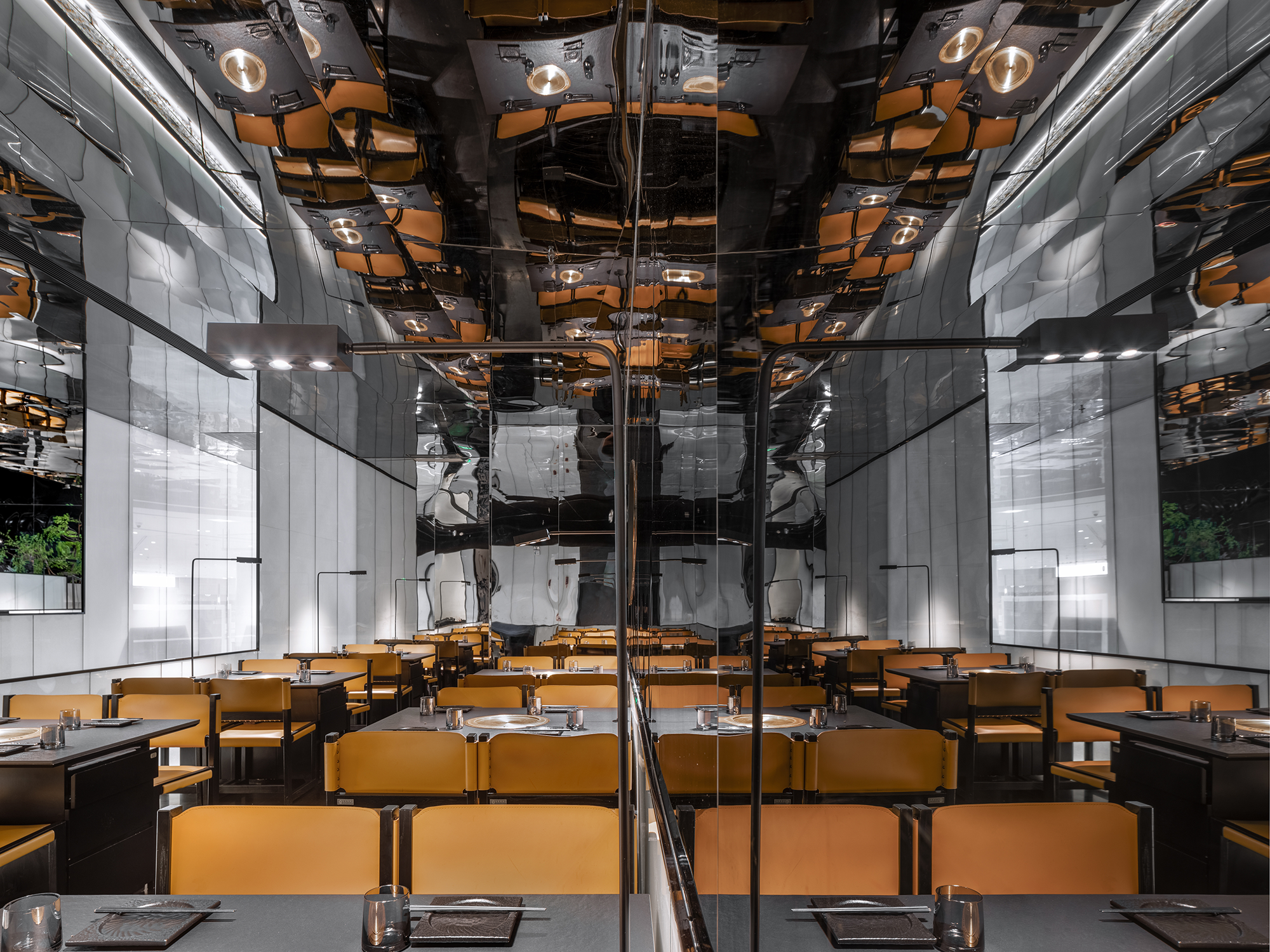
Hong Kong Office Interior Design — Why Offices Are Designed So Differently Today
Office design has never been static. In a city like Hong Kong—where density, speed, global finance, and cultural nuance intersect—the workplace has continuously evolved to respond to how people work, think, and perform.Hong Kong Interior Design
Today, Hong Kong Office Interior Design is no longer about fitting as many desks as possible into Central or Quarry Bay. It is about creating environments that support productivity, adaptability, wellbeing, and trust in an era shaped by AI, hybrid work, talent competition, and economic uncertainty.
To understand where offices are heading in 2026, we must first understand where they came from.
From Industrial Control to Corporate Order
Early offices mirrored factories. Hierarchical, rigid, and efficiency-driven, they were designed for supervision rather than collaboration.
在早期的寫字樓文化中,空間象徵權力與秩序。主管有獨立辦公室,員工則排排而坐,重點是管理,而不是體驗。
As Hong Kong grew into a global financial hub in the 1980s and 1990s, offices became symbols of corporate stability—formal boardrooms, dense cubicles, and standardized layouts across towers in Central, Admiralty, and Tsim Sha Tsui.
Design was about control and consistency, not people.
The Open-Plan Era—and Its Limitations
The 2000s introduced open-plan offices, driven by collaboration, cost efficiency, and global workplace trends.
但很快,問題浮現了:噪音、缺乏私隱、專注力下降。
Especially in high-density Hong Kong offices, open plans often felt overwhelming rather than empowering.
What was meant to encourage teamwork sometimes reduced productivity—particularly in finance, legal, and professional services sectors where confidentiality and focus are critical.
This forced organizations to rethink what “good design” actually means.
Hybrid Work Changed Everything
Post-pandemic, work is no longer tied to a single location.
In Hong Kong, where long commutes, compact homes, and intense work culture coexist, hybrid work accelerated faster than expected.
員工不再只是「回公司上班」,而是思考:
Why should I come into the office at all?
This question fundamentally reshaped Hong Kong Office Interior Design.
Offices now must earn attendance by offering:
-
Better collaboration than home
-
Better focus than cafés
-
Stronger culture than screens
The 2026 Office: Designed for Performance, Not Presence
Modern offices are no longer designed around desks—but around activities.
Today’s workplace strategy starts with data:
-
How teams collaborate
-
When focus work happens
-
Where technology supports or disrupts flow
This leads to activity-based work settings: focus rooms, collaboration hubs, hybrid meeting spaces, quiet zones, and social areas—each intentionally planned.
設計不再是「一個平面圖」,而是一套行為策略。
AI, Technology, and the Invisible Layer of Design
AI is not just changing how we work—it is changing how offices function.
Smart booking systems, occupancy sensors, acoustic optimization, and hybrid meeting technology are now baseline expectations in Grade A offices across Central, Kowloon East, and emerging districts like Kai Tak.
A well-designed office today:
-
Supports seamless hybrid meetings
-
Integrates secure data zones
-
Anticipates future tech upgrades
Technology must be embedded invisibly, not layered awkwardly after fit-out.
People-Centric Design Is No Longer Optional
Gen Z and millennial professionals evaluate workplaces emotionally as much as functionally.
在香港這樣競爭激烈的人才市場,辦公室已成為 employer brand 的一部分。
Human-centric design focuses on:
-
Acoustic comfort
-
Ergonomic quality
-
Natural light and material warmth
-
Mental wellbeing and spatial choice
This directly impacts retention, engagement, and performance.
Why Copy-Paste Offices Fail in Hong Kong
One of the biggest mistakes companies make is importing global office concepts without local adaptation.
Hong Kong offices face unique constraints:
-
Tight floor plates
-
High rental costs
-
Fire and building regulations
-
Cultural expectations around hierarchy and professionalism
Without local expertise, even beautiful designs can fail operationally.
This is where an experienced Hong Kong Office Interior Design partner makes the difference.
The Role of an Integrated Design & Build Partner
Our firm approaches workplace projects holistically—combining global insight with local intelligence.
We deliver:
-
Workplace strategy and change management
-
Concept and spatial planning
-
Technical coordination and compliance
-
Fit-out and turnkey delivery
一體化的設計與施工,確保概念不會在落地時失真。
This integrated approach reduces risk, controls cost, and ensures design intent survives construction.
Offices as Cultural and Brand Experiences
In 2026, offices are not just places to work—they are places to belong.
A well-designed workplace communicates:
-
Company values
-
Leadership style
-
Cultural identity
From reception experience to meeting rooms and social spaces, design becomes storytelling.
This is especially critical for regional headquarters and financial institutions seeking trust and stability in uncertain times.
Looking Ahead
The future of Hong Kong Office Interior Design is not louder, trendier, or more decorative.
It is:
-
Smarter
-
More adaptable
-
Deeply human
-
Strategically aligned with business performance
As work continues to evolve, offices that succeed will be those designed not just for today—but for how people will work, think, and collaborate tomorrow.
Our firm remains committed to creating future-ready workplaces that balance global standards with Hong Kong’s unique rhythm, delivering environments where people and organizations can truly perform.
Connect with us in


