- 336
Interior Design in Hong Kong: Commercial & Residential Innovation
Hong Kong interior design is shaped by forces few cities experience simultaneously: extreme urban density, global capital flows, compressed living conditions, and one of Asia’s most competitive commercial landscapes. Space here is never neutral. Every square foot carries economic, emotional, and cultural weight.
Interior design in this city is not about decoration. It is about strategic spatial intelligence—how environments perform, adapt, and retain value over time. From Grade A offices in Central, boutique hotels in Sheung Wan, Michelin-starred restaurants in Tsim Sha Tsui, to compact apartments in Quarry Bay and luxury villas on The Peak, design decisions are inseparable from urban economics and human behaviour.
This article explores unique interior design ideas that transform both commercial and residential spaces in Hong Kong, grounded in how the city lives, works, and evolves.
Understanding How Hong Kong Lives, Works, and Experiences Space
Hong Kong’s urban fabric is vertical, layered, and highly efficient. With limited land supply and sustained demand, interior environments carry the burden of solving problems typically addressed through architecture elsewhere.
Urban & Economic Context
-
Economic drivers: Finance, professional services, logistics, tourism, retail, and a growing innovation economy.
-
Development pattern: High-rise, mixed-use, podium-driven developments with integrated transport access.
-
Commercial real estate trend: Flight-to-quality in offices, repositioning of retail, adaptive reuse of older buildings, and experiential hospitality.
-
Residential typologies: Compact apartments, serviced residences, luxury high-rises, heritage walk-ups, and low-density villas in exclusive zones.
People in Hong Kong socialise in restaurants more than living rooms, work long hours in dense offices, and treat home as both sanctuary and investment. Interior design must respond with precision, restraint, and intelligence, not excess.
Designing Hotels that Reflect the Identity of Hong Kong
Hospitality in Hong Kong operates at the intersection of global expectation and local character. Guests expect efficiency, sophistication, and a sense of place—not generic luxury.
Strategic Hotel Design Principles
-
Guest journey compression: From arrival to room experience, circulation must be intuitive and frictionless.
-
Cultural storytelling: Subtle references to Hong Kong’s harbour culture, trade history, or modernist legacy—interpreted through materiality, not symbolism.
-
Climate-responsive interiors: Managing humidity, thermal comfort, and acoustic control in high-rise hotel environments.
-
Operational efficiency: Back-of-house planning, housekeeping logistics, and service corridors are as critical as lobby aesthetics.
Boutique hotels in Sheung Wan or Wan Chai increasingly compete through design-led identity, not room size—where interior strategy becomes a commercial differentiator.
High-Performance Workplace Design in Hong Kong
Office interiors in Hong Kong are undergoing a structural shift. Hybrid work has not reduced density—it has increased the demand for quality, flexibility, and employee experience.
Workplace Design Responses
-
Zoning over openness: Quiet focus zones, collaboration hubs, and social spaces replacing uniform open plans.
-
Talent attraction: Design as a tool for employer branding in a competitive labour market.
-
Wellbeing integration: Lighting quality, biophilic elements, acoustic control, and ergonomic planning.
-
ESG alignment: Energy-efficient lighting, sustainable materials, and adaptability to future reconfiguration.
In Central and Quarry Bay, offices are no longer just workplaces—they are organisational ecosystems. Hong Kong interior design for offices must balance efficiency with emotional engagement.
Creating Social Destinations Through Restaurant & Club House Design
Hong Kong’s dining and nightlife culture is fast-moving, brand-driven, and socially amplified. Restaurants here are not just places to eat—they are social stages.
Design Strategies for F&B & Clubhouses
-
Atmospheric layering: Lighting, texture, and sound working together to define mood.
-
Zoning for dwell time: Bar, dining, private rooms, and lounge areas calibrated for different social behaviours.
-
Acoustic intelligence: Managing reverberation in dense urban settings is critical for comfort.
-
Brand identity through space: Interiors translating culinary philosophy into spatial language.
From rooftop lounges in Tsim Sha Tsui to members’ clubhouses in luxury residential developments, design directly influences customer retention and social visibility.
Designing Homes that Respond to the Way Hong Kong Lives
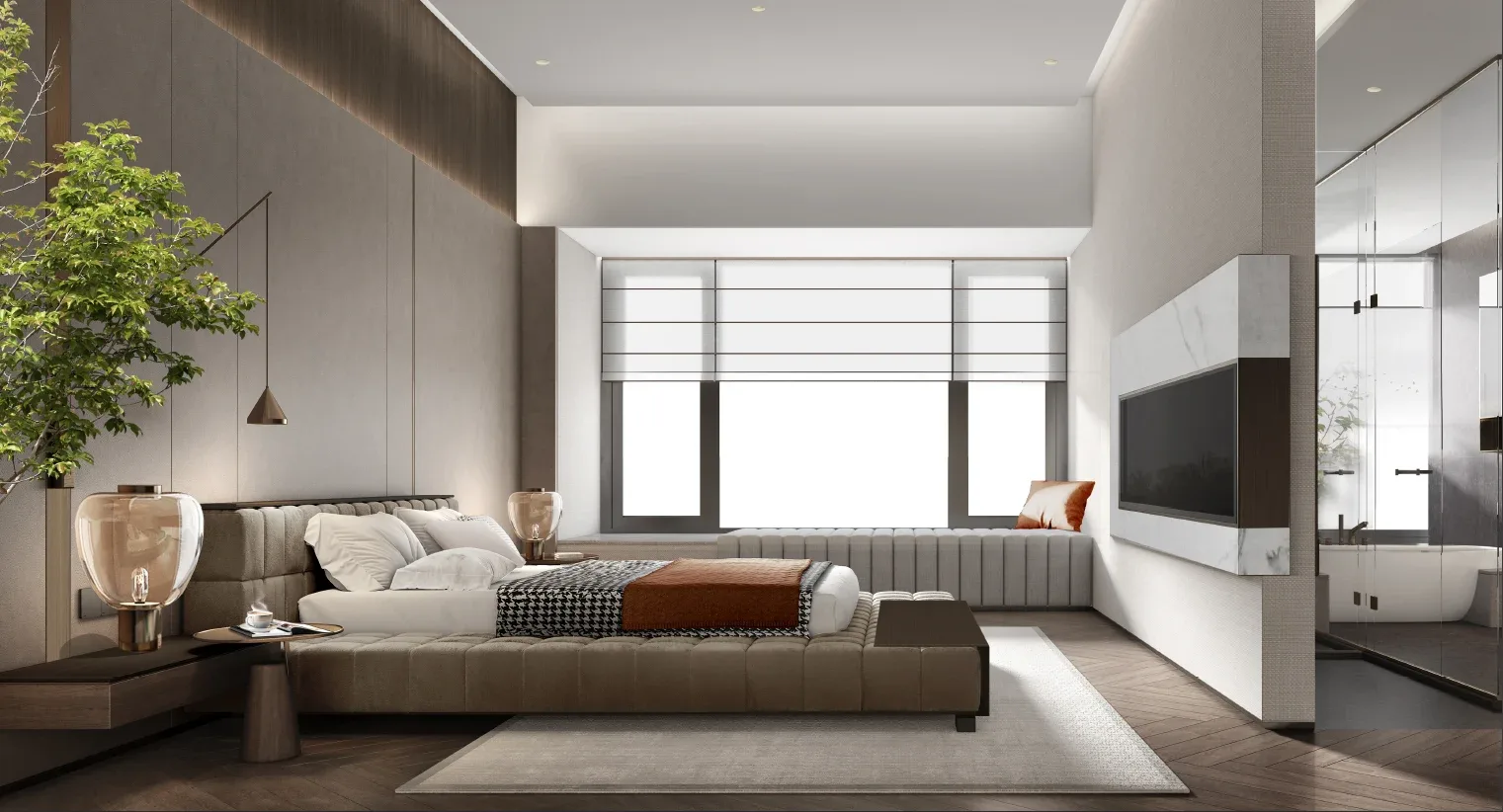
Residential interior design in Hong Kong is defined by contrast: compact apartments versus expansive villas, young professionals versus multi-generational families.
Apartment Living
-
Spatial optimisation: Storage integration, flexible partitions, and multi-functional rooms.
-
Privacy management: Visual buffering within small footprints.
-
Smart home systems: Automation enhancing comfort and efficiency.
Villa & Bungalow Living
-
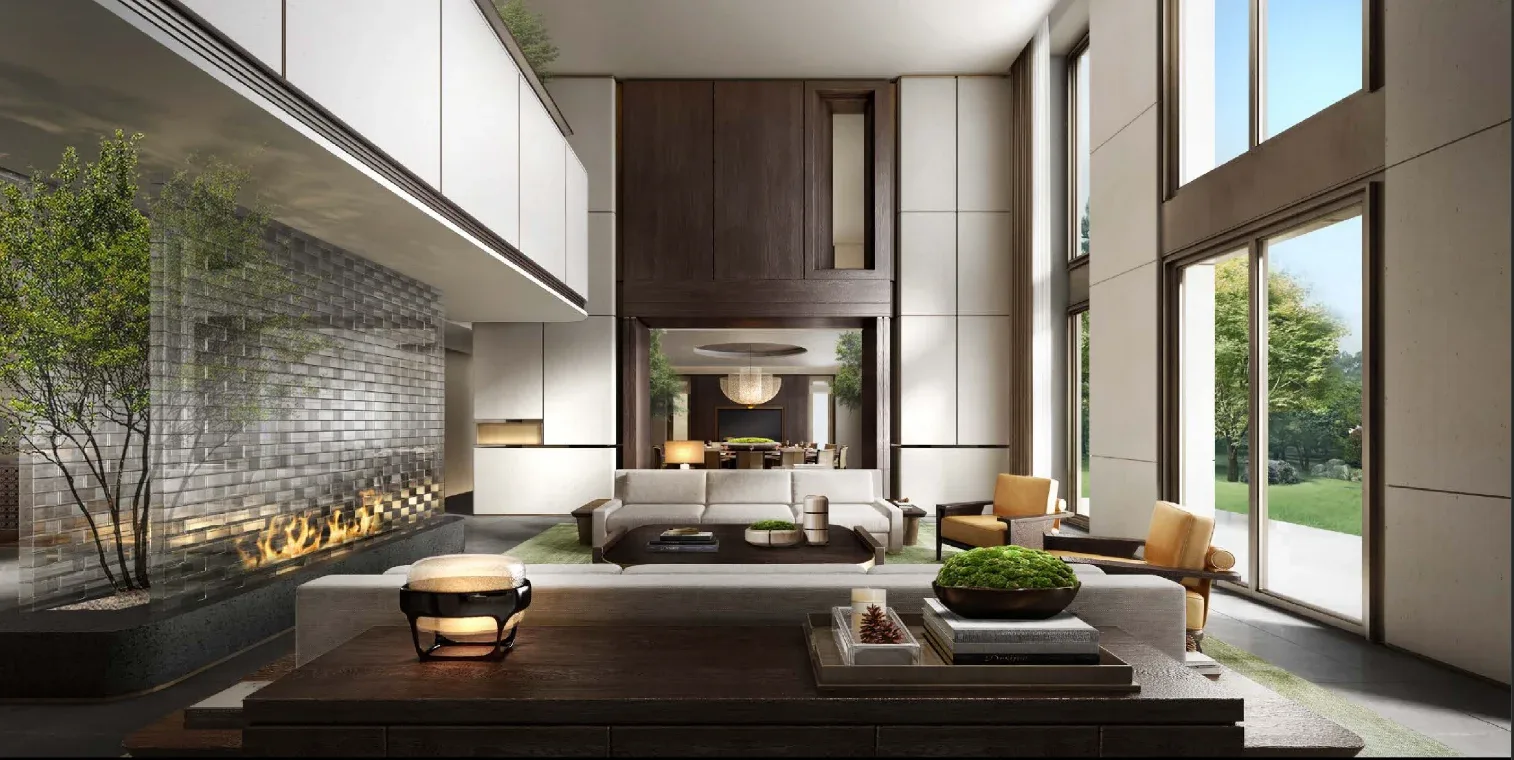
Indoor-outdoor continuity: Especially relevant in The Peak, Repulse Bay, and Clearwater Bay.
-
Lifestyle zoning: Separation of public, private, and service areas.
-
Long-term adaptability: Homes designed to evolve with family needs.
Hong Kong interior design for homes must reconcile emotional comfort with investment logic—a balance deeply understood by local homeowners.
Unique Interior Design Ideas We Implement
Design ideas only matter when they respond to context. In Hong Kong, uniqueness comes from appropriateness, not novelty.
-
Biophilic integration adapted for high-rise conditions.
-
Adaptive layouts that evolve with business or family life.
-
Layered lighting systems to counter dense urban shadows.
-
Material contrast strategies balancing warmth with durability.
-
Cultural-modern fusion—clean lines softened by tactile references.
-
Technology-enhanced spaces that remain human-centred.
Each idea is implemented not as a trend, but as a strategic response to urban reality.
Why Interior Design in Hong Kong Requires Local Intelligence
Designing here demands more than creativity. It requires local fluency.
-
Regulatory awareness: Fire codes, building ordinances, landlord constraints.
-
Climate knowledge: Humidity control, condensation prevention, material longevity.
-
Supply chain intelligence: Sourcing quality materials within tight timelines.
-
Execution capability: Managing vertical logistics and occupied buildings.
Our firm operates with this intelligence embedded—not as an add-on, but as a foundation.
Our Design Approach
Our process is structured, transparent, and outcome-driven:
-
Research & Site Analysis – Urban, operational, and user behaviour study
-
Concept & Spatial Strategy – Translating insight into layout logic
-
Visualisation & Detailing – Material, lighting, and technical precision
-
Technical Coordination – Consultants, contractors, and compliance
-
Execution & Project Control – Quality, cost, and timeline governance
-
Final Styling & Handover – Readiness for real-world use
Every decision is anchored in function, longevity, and experience.
Transform Your Commercial or Residential Space in Hong Kong
Hong Kong interior design succeeds when it respects constraints while elevating experience. Whether shaping a hotel, office, restaurant, or home, design must work harder here—emotionally, commercially, and spatially.
Our firm engages clients who value thinking before form, context before style, and execution before rhetoric. Strategic consultations and design evaluations are the first step toward spaces that truly belong to Hong Kong.
Connect with us in