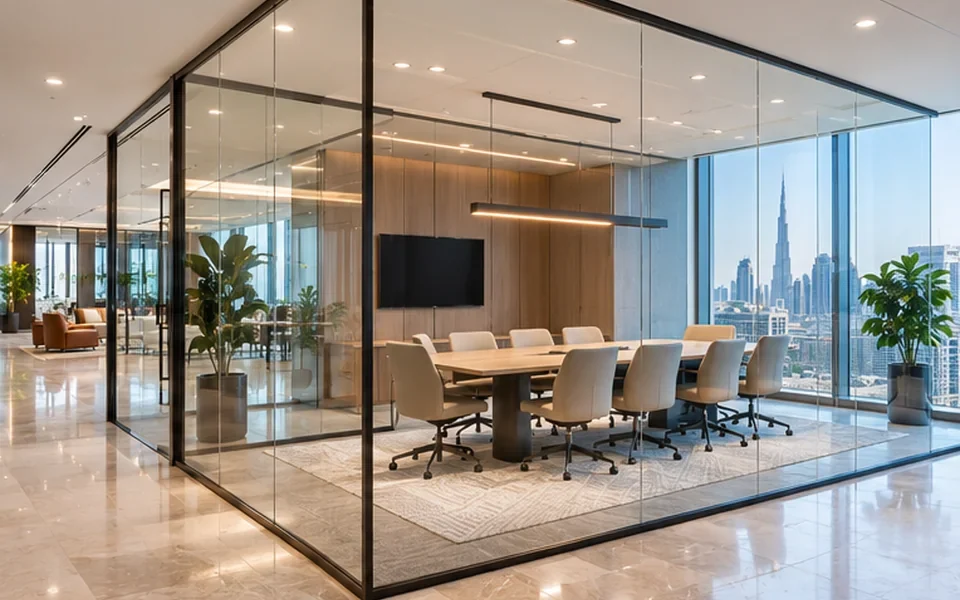
Workplace planning starts with what people actually do. A high-performing Hong Kong office may need quiet focus, calls, video meetings, collaborative work and visitor interaction at different times. An office interior design company should test a mix of spaces against utilisation, privacy and operational needs before selecting workstation styles.
Plan different work settings in Hong Kong offices through observed team activities rather than fixed desk counts alone.
Observe work patterns before drawing zones
Collect typical attendance, meeting frequency, confidential-call needs and periods of peak use. Short interviews and a simple occupancy study are more reliable than assuming every team needs the same type of desk. Identify functions that require fixed equipment or secure storage. A clear brief helps distinguish true demand from habits that have not been questioned.
Create a hierarchy of focus and exchange
Place highly interactive zones where movement will not disturb concentration. Provide acoustically considered rooms for calls that require privacy, and consider small informal settings for quick conversations. Travel routes should not pass through quiet workstations. Test the layout against both normal and busy operating days, not just a perfectly arranged rendering.
Make flexibility operational, not decorative
Modular desks, shared meeting technology and simple booking systems can help a changing team. But flexible furniture cannot compensate for insufficient power, data or storage. Decide how the space will be managed: where personal items go, how rooms are booked and who resets shared areas. Include maintenance staff in this discussion.
Measure outcomes after occupation
Review utilisation, acoustic complaints, meeting-room conflicts and staff feedback after moving in. Establish what can be adjusted without costly reconstruction. An office is successful when it supports tasks and wellbeing consistently, not when it looks empty and pristine on the opening day.
Example: a practical project decision
Example: A Quarry Bay team assumed it needed a larger boardroom. A review of meeting patterns showed more demand for two-person calls, so the plan substituted several smaller rooms and improved daily availability.
Putting this into practice
At the next review, ask the project team to measure attendance and real work activities. The following discussion should address how to separate quiet, collaborative and visitor routes. Document the assumptions, responsible people and any unresolved questions before approving drawings or supplier orders. Before the next commitment, coordinate technology, storage and room management and schedule a post-occupancy review. Where building management instructions, technical submissions or specialist work are involved, seek the advice of properly qualified parties. A useful decision record explains not only what was chosen but why, with any effect on budget, maintenance, user comfort or construction programme clearly stated.
A short decision checklist
- Measure attendance and real work activities
- Separate quiet, collaborative and visitor routes
- Coordinate technology, storage and room management
- Schedule a post-occupancy review
Frequently asked questions
Is hot-desking right for every company?
No. It depends on confidentiality, attendance, equipment needs and whether shared spaces can be managed effectively.
How many meeting rooms are needed?
Base the mix on observed demand and meeting sizes, not a universal ratio.
Continue reading
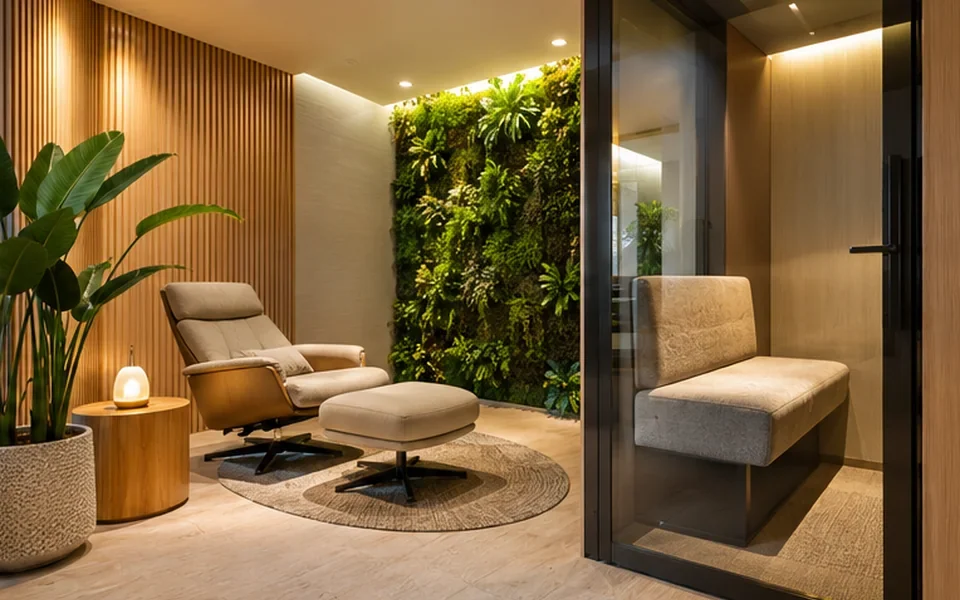 Office Interior Design Company in Hong Kong: Hybrid Meetings and Acoustic Control
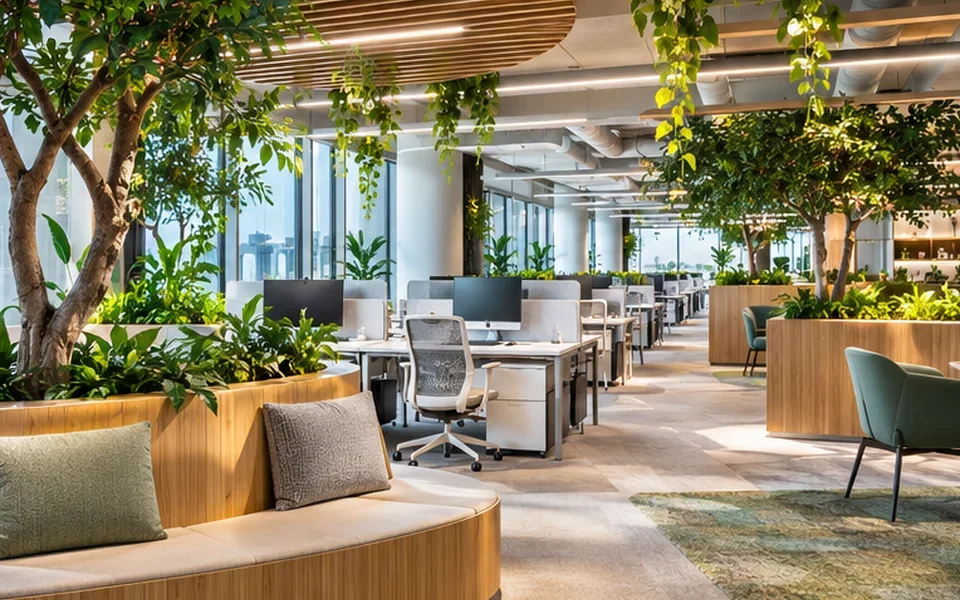 Office Interior Design Company in Hong Kong: A Visitor-Friendly Reception
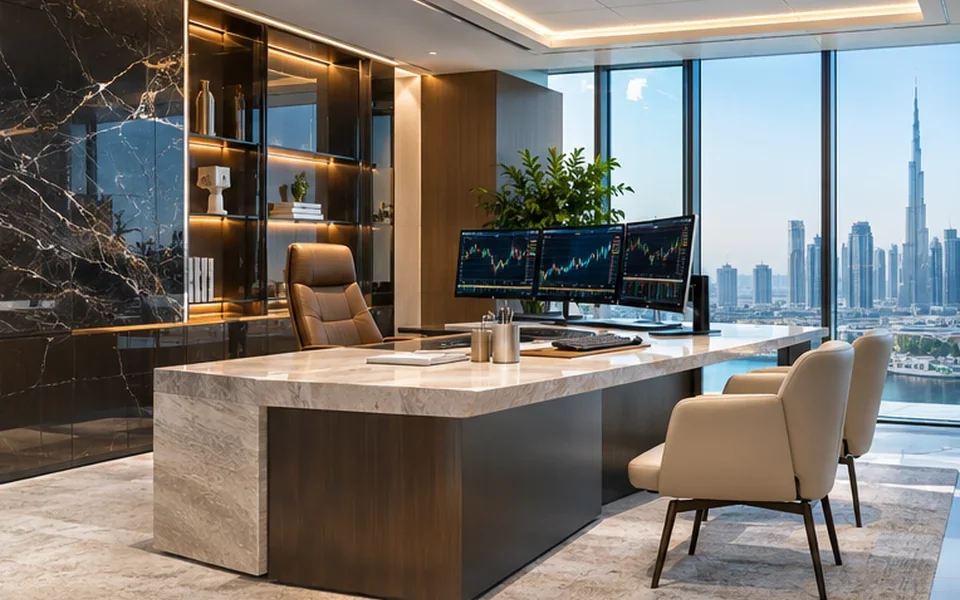 Office Interior Design Company in Hong Kong: Fit-Out Decisions Before Moving In
 Hotel Interior Design Company in Hong Kong: Mapping the Guest Journey