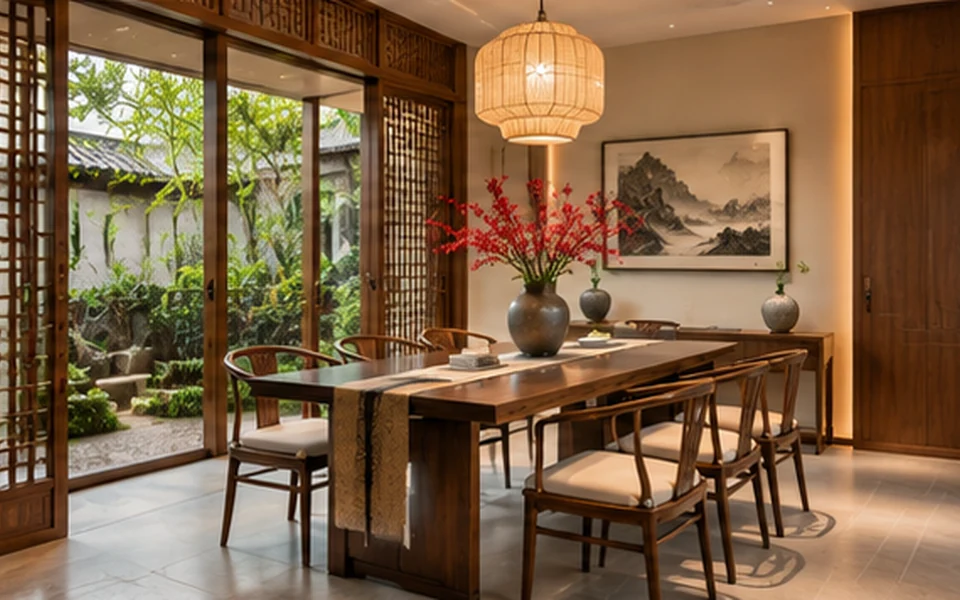
A restaurant renovation should preserve what customers value while addressing problems that affect service and comfort. Replacing every material can erase a venue’s identity without improving performance. A restaurant interior design company in Hong Kong should combine operator interviews, customer patterns and a condition survey to decide what needs to change and what should stay.
Keep a restaurant’s recognisable character while updating seating, lighting, service areas and finishes in Hong Kong.
Identify the elements customers recognise
Review the entrance, signature seating, visible kitchen, signage and distinctive materials. Talk to operators about the areas regular guests mention, as well as daily frustrations. A valued feature may be retained, repaired or reinterpreted even if the rest of the room changes. Define the intended brand continuity in writing before commissioning new concepts.
Audit technical systems before cosmetic work
Investigate ventilation, drainage, electrics, lighting, floor condition and any recurring faults. It is inefficient to install new decorative finishes over unresolved service problems. Plan with the responsible specialists and check building-management and regulatory requirements. Separate essential remedial work from aesthetic upgrades in the cost plan.
Stage interventions around trading decisions
If the business will remain partly operational, map contractor and guest routes and assess noise and dust control. A short full closure may sometimes be safer or more efficient than extended partial works. Confirm lead times for special furniture and signage before setting reopening dates. The schedule should include cleaning, commissioning and staff orientation.
Test the renewed experience before launch
Check table comfort, lighting scenes, music, POS equipment, service stations and kitchen communication during a realistic rehearsal. Inspect the finish quality under both daytime and evening light. Train staff on changes to circulation or equipment. A refreshed brand is successful when returning guests recognise the place and daily operations improve.
Example: a practical project decision
Example: A neighbourhood restaurant retained its familiar timber wall and selected new seating, acoustics and service lighting. Guests recognised the identity while staff benefited from clearer table access.
Putting this into practice
At the next review, ask the project team to list identity elements worth retaining. The following discussion should address how to survey technical systems before cosmetic choices. Document the assumptions, responsible people and any unresolved questions before approving drawings or supplier orders. Before the next commitment, agree realistic closure and procurement milestones and rehearse the dining and staff experience before reopening. Where building management instructions, technical submissions or specialist work are involved, seek the advice of properly qualified parties. A useful decision record explains not only what was chosen but why, with any effect on budget, maintenance, user comfort or construction programme clearly stated.
A short decision checklist
- List identity elements worth retaining
- Survey technical systems before cosmetic choices
- Agree realistic closure and procurement milestones
- Rehearse the dining and staff experience before reopening
Frequently asked questions
Should a renovation keep the original restaurant identity?
It should deliberately retain, reinterpret or replace elements based on the brand direction and what customers value.
Can a restaurant stay open through a major refurbishment?
Sometimes, but the decision depends on safety, hygiene, access and whether operations can genuinely be separated from works.
Continue reading
 Restaurant Interior Design Company in Hong Kong: Planning the Entire Service Journey
 Restaurant Interior Design Company in Hong Kong: Acoustic Comfort for Busy Dining
 Restaurant Interior Design Company in Hong Kong: Designing a Compact Café
 Interior Design Company in Hong Kong: Working With an Overseas Property Owner