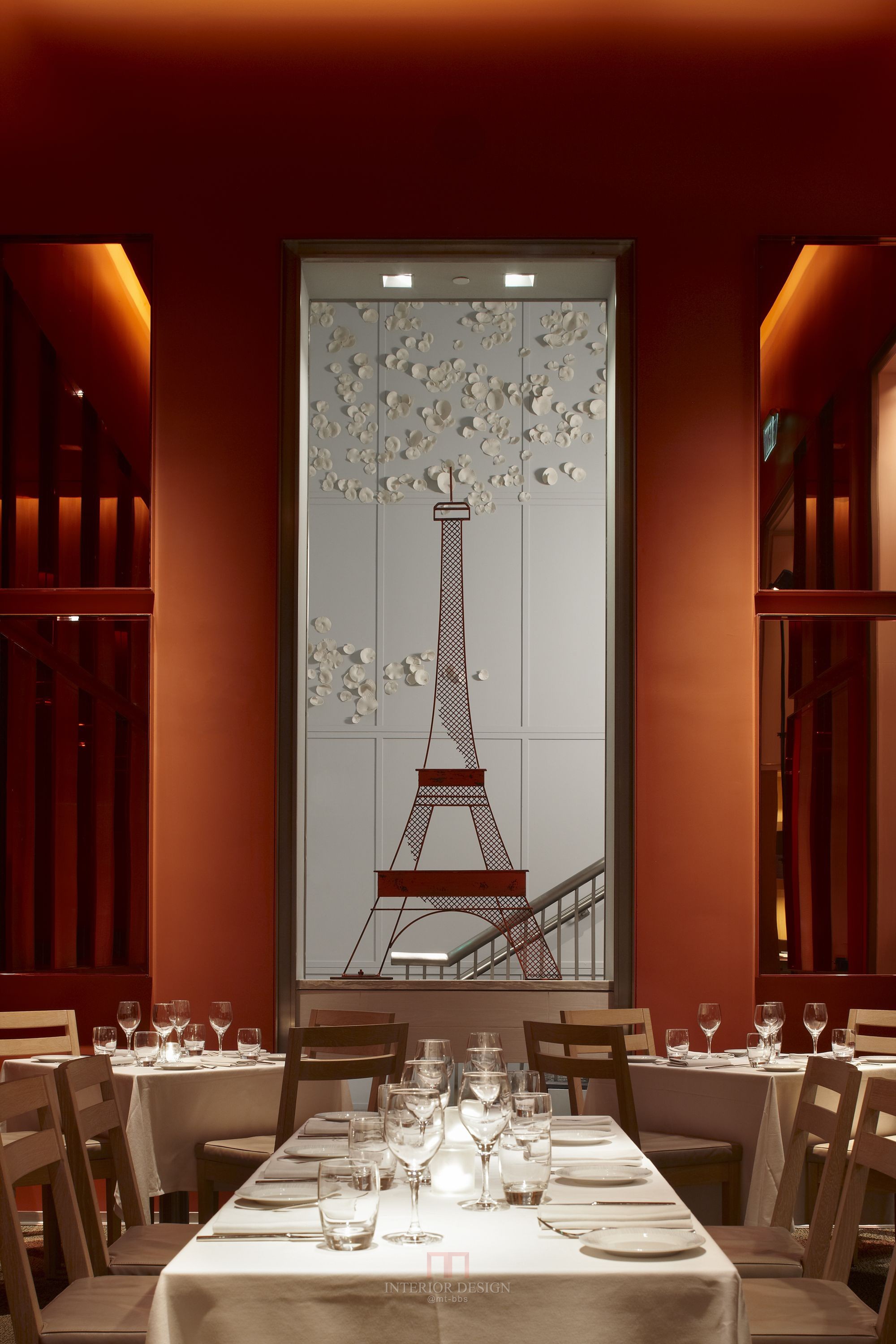
Restaurant Interior Design Hong Kong — When Dining Becomes an Experience, Not Just a Meal
In Hong Kong, dining has never been just about food. It is about ritual, rhythm, status, memory, and emotion. From Michelin-starred restaurants in Central and IFC, to intimate chef-led concepts in SoHo, Sheung Wan, and Tsim Sha Tsui, the city’s F&B scene is one of the most competitive and sophisticated in Asia. Restaurant Interior Design Hong Kong
Today, Restaurant Interior Design Hong Kong is no longer about decoration. It is about experience design — shaping how guests feel, move, connect, and remember. In 2026, the restaurants that succeed are not those that look beautiful on opening day, but those that deliver a consistent, emotionally engaging dining journey every single night.
As a restaurant interior designer focused on people-centric hospitality spaces, here is how experience-driven restaurant design truly works in practice.
From Visual Styling to Experiential Design
Many restaurants still begin with the wrong question: “How should it look?”
The better question is: “How should it feel, flow, and perform?”
在香港這樣節奏快速、租金高昂、競爭極為激烈的市場,設計若只是為了「好看」,很快就會被淘汰。真正成功的餐廳,是那些能夠讓客人願意停留更久、再次回訪,甚至主動推薦的空間。
Experience-led restaurant design focuses on:
-
Guest emotion and perception
-
Operational efficiency
-
Brand storytelling through space
1. Spatial Planning: Designing the Dining Journey
Every memorable restaurant experience begins with movement.
From arrival to seating, ordering, dining, and departure — each transition shapes perception. In Hong Kong, where space is often limited, how space is sequenced matters more than how large it is.
在 Restaurant Interior Design Hong Kong 的實務中,空間規劃必須精準:
-
清楚的入口與迎賓節奏
-
合理的座位密度,避免擁擠壓迫
-
流暢的客人動線與服務動線分離
A well-planned layout increases comfort, dwell time, and table turnover — without guests ever feeling rushed.
2. Atmosphere Is Designed, Not Decorated
Atmosphere is not a by-product. It is designed intentionally.
Lighting, ceiling height, material texture, and proportion all work together to create mood. A fine-dining restaurant in Central requires a different emotional tone than a chef’s table concept in Sheung Wan.
在香港,燈光尤其關鍵:
-
柔和但聚焦的桌面照明,提升食物質感
-
周邊較暗,營造私密感
-
可調光系統,因應午市與晚市氛圍轉換
Atmosphere influences how long guests stay — and how they remember the experience.
3. Sensory Design: Engaging All Five Senses
Great restaurant interiors speak to more than the eyes.
Lighting
Sets mood, highlights food, and guides focus.
Acoustics
In Hong Kong’s lively dining culture, noise control is critical. Acoustic ceilings, wall treatments, and furniture choices prevent fatigue and allow conversation.
Materials & Touch
Natural stone, timber, textured fabrics — materials create subconscious emotional cues of warmth, luxury, or informality.
Scent & Air Quality
Open kitchens, ventilation, and airflow must be carefully balanced to enhance appetite without overwhelming guests.
餐廳設計的關鍵,在於讓五感協同工作,而不是互相干擾。
4. Customer Flow Shapes Comfort and Memory
Guests may not consciously notice flow — but they feel it.
Poorly designed restaurants create friction:
-
Awkward waiting areas
-
Servers crossing guest paths
-
Congested service points
Experience-driven design ensures:
-
Clear waiting and transition zones
-
Intuitive circulation
-
Comfortable spacing between tables
在高密度城市如香港,這些細節直接影響客人的整體印象與回訪意願。
5. Brand Storytelling Through Space
Every restaurant tells a story — whether intentional or not.
Successful restaurants use interior design to express:
-
Culinary philosophy
-
Cultural roots
-
Chef personality
-
Brand positioning
In Restaurant Interior Design Hong Kong, storytelling often blends:
-
Global sophistication
-
Local craftsmanship
-
Contemporary Asian identity
空間不需要說話,但它必須「被感受到」。
6. Operational Efficiency Is Part of Guest Experience
A beautiful restaurant that fails operationally will never succeed.
Experience-led design works hand-in-hand with kitchen planning, FOH efficiency, and staff ergonomics.
好的設計可以:
-
減少服務人員的無效移動
-
提升出餐效率
-
降低營運壓力
Guests feel the difference through smoother service and calmer energy — even if they don’t know why.
7. Designing for Hong Kong’s Dining Culture
Hong Kong diners are discerning, well-travelled, and experience-driven.
They value:
-
Authenticity over trends
-
Comfort without formality
-
Distinction without excess
因此,Restaurant Interior Design Hong Kong 必須兼顧:
-
高密度城市的空間智慧
-
亞洲飲食文化的共享性
-
國際級餐飲的細節標準
End-to-End Design: From Concept to Reality
At our firm, restaurant design is never fragmented.
We deliver:
-
F&B concept and experience strategy
-
Spatial and brand storytelling design
-
Technical development and coordination
-
Fit-out and turnkey delivery
這種整合式流程,確保設計理念在施工與營運中不被削弱。
Conclusion: Experience Is the New Luxury
In 2026, luxury in dining is no longer about excess — it is about how deeply guests feel connected to the space.
When restaurant interiors are designed for experience rather than decoration:
-
Guests stay longer
-
Brands become memorable
-
Businesses perform better
Restaurant Interior Design Hong Kong is at its best when space, service, food, and emotion align seamlessly.
At our firm, we design restaurants not as visual objects — but as living experiences, crafted with intention, empathy, and precision.
Connect with us in


