An interior can be beautiful on opening day and troublesome in its second year. Hong Kong buildings often combine heavy use, humidity, intensive cleaning and difficult replacement access. A thoughtful interior design company should ask who will maintain the space and how components can be repaired before the specification becomes fixed.
A practical guide to specifying finishes, fittings and maintenance access for long-life Hong Kong interiors.
Select finishes for the actual cleaning routine
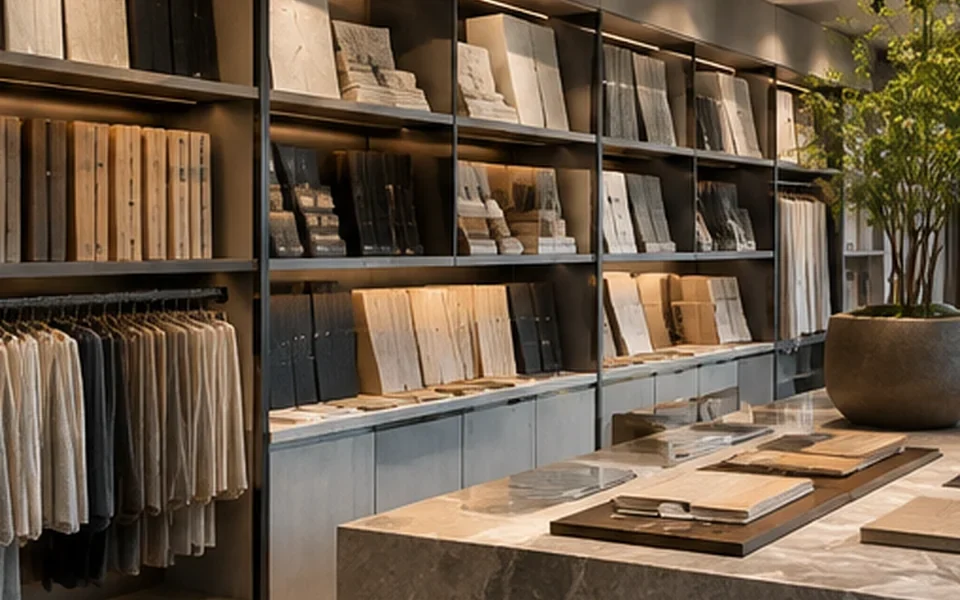
A hotel lobby, family kitchen and office meeting room have very different wear patterns. Ask operators which chemicals and cleaning methods they use. Evaluate stain resistance, slip performance where relevant and the ability to replace damaged areas. A finish that looks impressive in a sample box may change under strong daylight or frequent abrasion.
Keep technical systems accessible
Coordinate access panels for valves, fan-coil units, electrical controls and drainage traps. Concealing everything behind fixed cabinetry can create expensive repair work. During design reviews, ask the team to mark service access zones on drawings. Site photographs of concealed works should be taken before surfaces are closed and stored with the as-built record.
Design custom joinery as replaceable parts
Use hardware that can be serviced and specify hinges, slides, handles and edge details clearly. Agree acceptable substitutions before ordering. In heavily used spaces, allow extra replacement laminates, tiles or upholstery fabric where practical. Label the spare materials so future managers can identify their origin and intended location.
Build an operations handover pack
A useful handover includes finish schedules, equipment manuals, cleaning guidance, supplier contacts, warranties and key drawings. Clarify who provides each item and how defects are reported. Operators should know which repairs they can make and which require specialist intervention. Maintainability is a design outcome, not just a post-construction task.
Example: a practical project decision
Example: A restaurant considered a porous stone countertop for a busy service zone. A sample stain test and discussion with cleaners led to a more robust specification while retaining the visual warmth of the concept.
Putting this into practice
At the next review, ask the project team to ask for care and cleaning guidance on each finish. The following discussion should address how to check access to all regularly serviced equipment. Document the assumptions, responsible people and any unresolved questions before approving drawings or supplier orders. Before the next commitment, record replaceable joinery hardware and spare parts and require an operations-focused handover schedule. Where building management instructions, technical submissions or specialist work are involved, seek the advice of properly qualified parties. A useful decision record explains not only what was chosen but why, with any effect on budget, maintenance, user comfort or construction programme clearly stated.
A short decision checklist
- Ask for care and cleaning guidance on each finish
- Check access to all regularly serviced equipment
- Record replaceable joinery hardware and spare parts
- Require an operations-focused handover schedule
Frequently asked questions
Are premium finishes always more durable?
No. Performance depends on material properties, detailing, use and cleaning, not price alone.
Who prepares the maintenance documentation?
It should be assigned in the contract among designers, contractors and suppliers, then checked at handover.
Continue reading
 Hong Kong Interior Design Company: A Clear Design Brief for Mixed-Use Spaces
 Hong Kong Interior Design Company: Balancing Custom Joinery and Standard Furniture
 Hong Kong Interior Design Company: Avoiding Delays in Procurement and Installation
 Interior Design in Hong Kong: Contemporary Living With Local Character