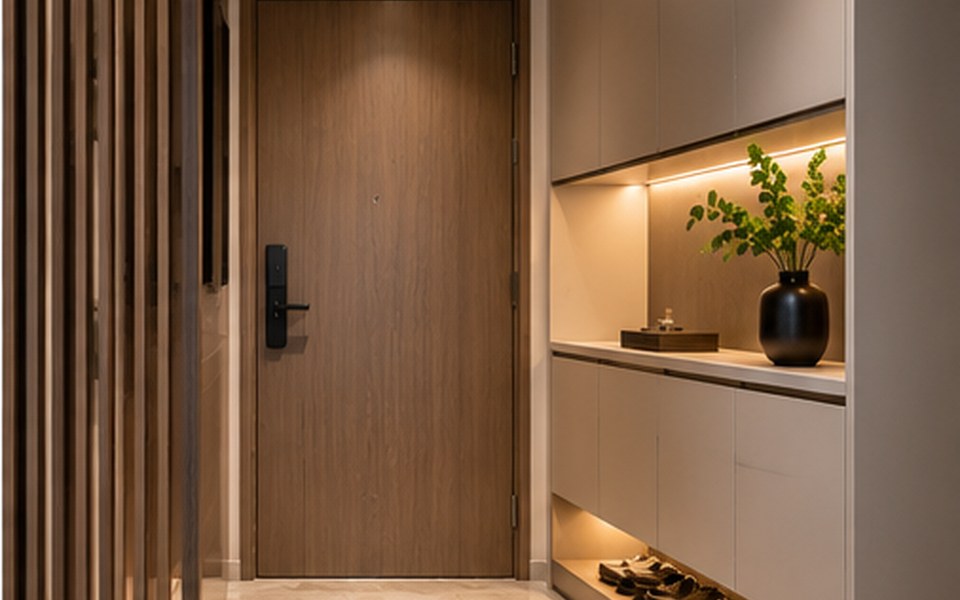
Handover should confirm that the space works as intended, not merely that it looks finished. A structured review protects occupants and operators after contractors leave.
Interior Design Hong Kong: Practical Handover Checklist for New Interiors addresses a practical question for owners and project managers. The useful starting point is not a trend or a mood board; it is a brief that connects space, users, routines and technical constraints. This guide breaks the decision into manageable steps.
In Hong Kong, compact floor plates, multi-storey buildings, building-management rules and demanding everyday operations can shape what is practical. A solution that looks convincing in a render should still be tested against actual site dimensions, access, maintainability and the people who will use it.
What matters most in practice?
1. Test everyday operation
Open drawers and doors, check accessible storage, review lighting scenes and test intended equipment. Walk the routes with furniture in place. Check that cleaning and maintenance access remains possible.
2. Record outstanding items clearly
Use a dated snag list with locations, photographs, responsible parties and agreed follow-up. Separate cosmetic issues from functional or safety concerns. Keep one controlled version so fixes can be verified.
Before committing to this stage, put the preferred option next to at least one workable alternative. Compare not only first impression and cost, but also how each choice changes cleaning, operations and future adjustments. A clear comparison keeps the discussion centred on outcomes.
3. Collect practical documentation
Request agreed warranties, product information, relevant certificates, maintenance guidance and final drawing records. The exact handover package depends on scope and contract. It should not rely on one person remembering where everything is installed.
4. Plan the first weeks of occupation
Users may discover issues only after daily use. Define the defects-reporting channel and any scheduled review. Explain lighting controls, storage and specialist fittings to the occupants or facilities team.
Example: turn the brief into a workable option
A hypothetical planning scenario
A new office may appear complete before occupancy, but meeting-room AV, access control and cabinet locks still need testing. An organised sign-off day can identify such issues before a full team arrives.
The scenario is illustrative rather than a documented client project. For any real property, the scope should be reviewed through a site survey and professional coordination before construction or procurement.
Common mistakes to avoid
- Approving a concept without reviewing test everyday operation. Ask the team to explain the practical consequence, who is responsible for the decision and how it will be checked before installation.
- Overlooking the practical effect of record outstanding items clearly. Ask the team to explain the practical consequence, who is responsible for the decision and how it will be checked before installation.
- Finalising purchases before checking plan the first weeks of occupation. Ask the team to explain the practical consequence, who is responsible for the decision and how it will be checked before installation.
Designer briefing checklist
Bring the following to the first project discussion. Specific information makes it easier to compare proposals and prevent expensive assumptions.
- A measured plan and a short description of test everyday operation.
- Photographs or samples relevant to record outstanding items clearly.
- A written priority list covering collect practical documentation and approval responsibilities.
Also clarify the intended users, target completion window, overall budget constraints and who may approve changes. Discuss the site with the building manager early if the work could affect shared services, structure, fire safety, access, waterproofing or other regulated elements.
Frequently asked questions
What belongs on an interior handover checklist?
Operational tests, snag list, maintenance access, documents, warranties and responsible contacts.
Should I pay the final amount before inspection?
Payment obligations depend on the contract; review its milestone and defects provisions carefully.
Is a post-occupancy review useful?
Yes, it helps identify issues that only become apparent during normal use.
Next step
Use the checklist to create a concise project brief, then confirm the plan against the specific property and its constraints. If you want to discuss design and implementation, explore interior design and planning services, browse the studio’s portfolio and contact the team through the official enquiry page. This is general educational content, not a substitute for project-specific building or safety advice.