Interior Design in Hong Kong: Commercial & Residential Innovation
Hong Kong is one of the world’s most spatially complex cities. Density is extreme, land is scarce, competition is relentless, and expectations—both commercial and residential—are uncompromising. In this context, interior design is no longer about surface aesthetics. It is a strategic discipline that shapes economic performance, lifestyle quality, brand perception, and long-term asset value.
As a Hong Kong interior design company, our firm approaches design as a system—one that responds to how the city works, lives, trades, and evolves. From high-rise offices and five-star hotels to compact apartments and luxury villas, interior environments in Hong Kong must perform at a very high level, every day.
Understanding How Hong Kong Lives, Works, and Experiences Space
Hong Kong’s urban fabric is defined by verticality, mixed-use intensity, and global connectivity. Commercial life concentrates in districts such as Central and Admiralty, while retail, hospitality, and cultural consumption thrive in Tsim Sha Tsui and Causeway Bay.
Economically, the city is driven by finance, professional services, logistics, tourism, and cross-border trade, with increasing emphasis on innovation and experience-based consumption. Residentially, most people live in high-density apartments, while luxury landed homes and villas are limited to areas such as The Peak and Repulse Bay.
Add to this a subtropical climate, strict building regulations, and a culture that values efficiency (“快、準、穩”—fast, precise, stable), and it becomes clear: interior design in Hong Kong must be intelligent, adaptive, and deeply contextual.
Designing Hotels that Reflect the Identity of Hong Kong
Hospitality as Cultural and Commercial Strategy
Hotels in Hong Kong operate in one of Asia’s most competitive hospitality markets. Guests—whether business travellers or lifestyle tourists—expect efficiency, comfort, and a strong sense of place.
Successful hotel interior design here requires:
-
Guest journey mapping that minimises friction in high-traffic environments
-
Climate-responsive interiors that balance thermal comfort with energy efficiency
-
Cultural storytelling that interprets Hong Kong’s East-meets-West identity without clichés
-
Operationally efficient layouts that support housekeeping, F&B, and service logistics
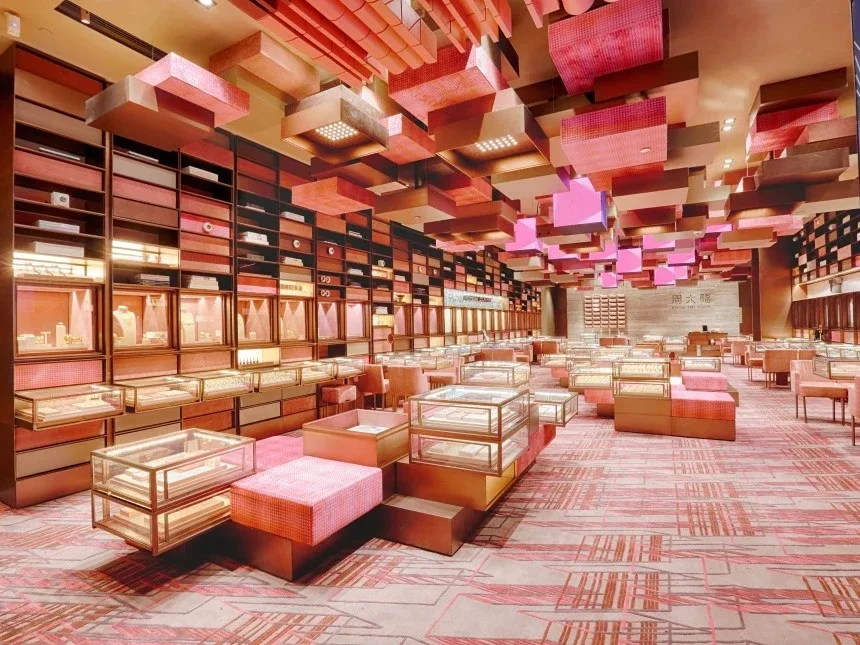
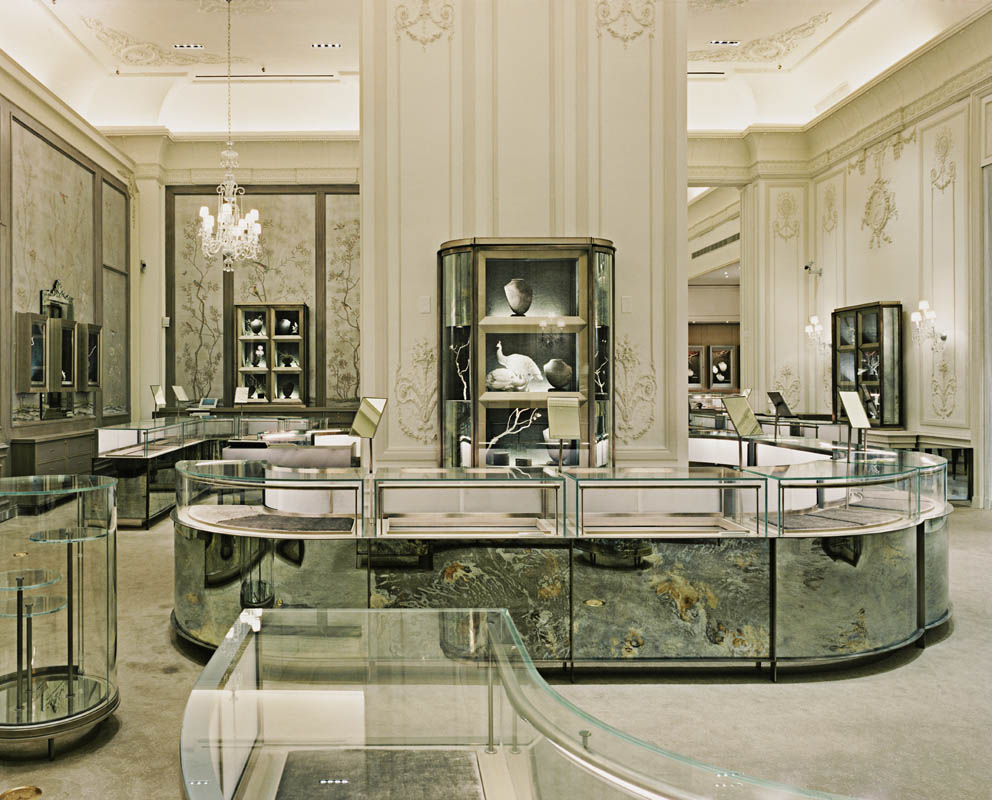
Rather than decorative luxury, hotels increasingly favour experiential authenticity—spaces that feel contemporary yet grounded in local character. Thoughtful use of materials, lighting, and spatial sequencing allows hotels to differentiate in a saturated market.
High-Performance Workplace Design in Hong Kong
Offices for a Hybrid, High-Pressure Workforce
Hong Kong’s workforce is highly educated, internationally mobile, and performance-driven. Office interiors must now support hybrid work, talent retention, and organisational culture, not just desk density.
Key workplace design strategies include:
-
Flexible planning with shared focus zones, collaboration hubs, and quiet rooms
-
Technology-integrated infrastructure for hybrid meetings and data security
-
Wellbeing-driven design addressing lighting, acoustics, and ergonomics
-
Brand-aligned environments that communicate credibility and trust
In a city where long working hours are common, offices must also support mental wellbeing. A well-designed workplace becomes a competitive advantage—supporting productivity while signalling care for people. This is where a Hong Kong interior design company with workplace intelligence adds measurable value.
Creating Social Destinations Through Restaurant & Club House Design
Design as Experience, Not Decoration
Hong Kong’s dining and nightlife culture is intensely competitive. Restaurants, private clubs, and lounges must stand out not only on cuisine, but on atmosphere, identity, and shareability.
Effective F&B and club house design focuses on:
-
Spatial zoning to support varied dining and social behaviours
-
Acoustic control in dense urban environments
-
Layered lighting that adapts from day to night
-
Immersive brand storytelling through materials and spatial rhythm
In a city where social media visibility strongly influences footfall, design becomes a silent marketing tool. A well-designed space encourages longer dwell time, repeat visits, and organic brand exposure.
Designing Homes that Respond to the Way Hong Kong Lives
Apartments, Villas, and the Art of Spatial Efficiency
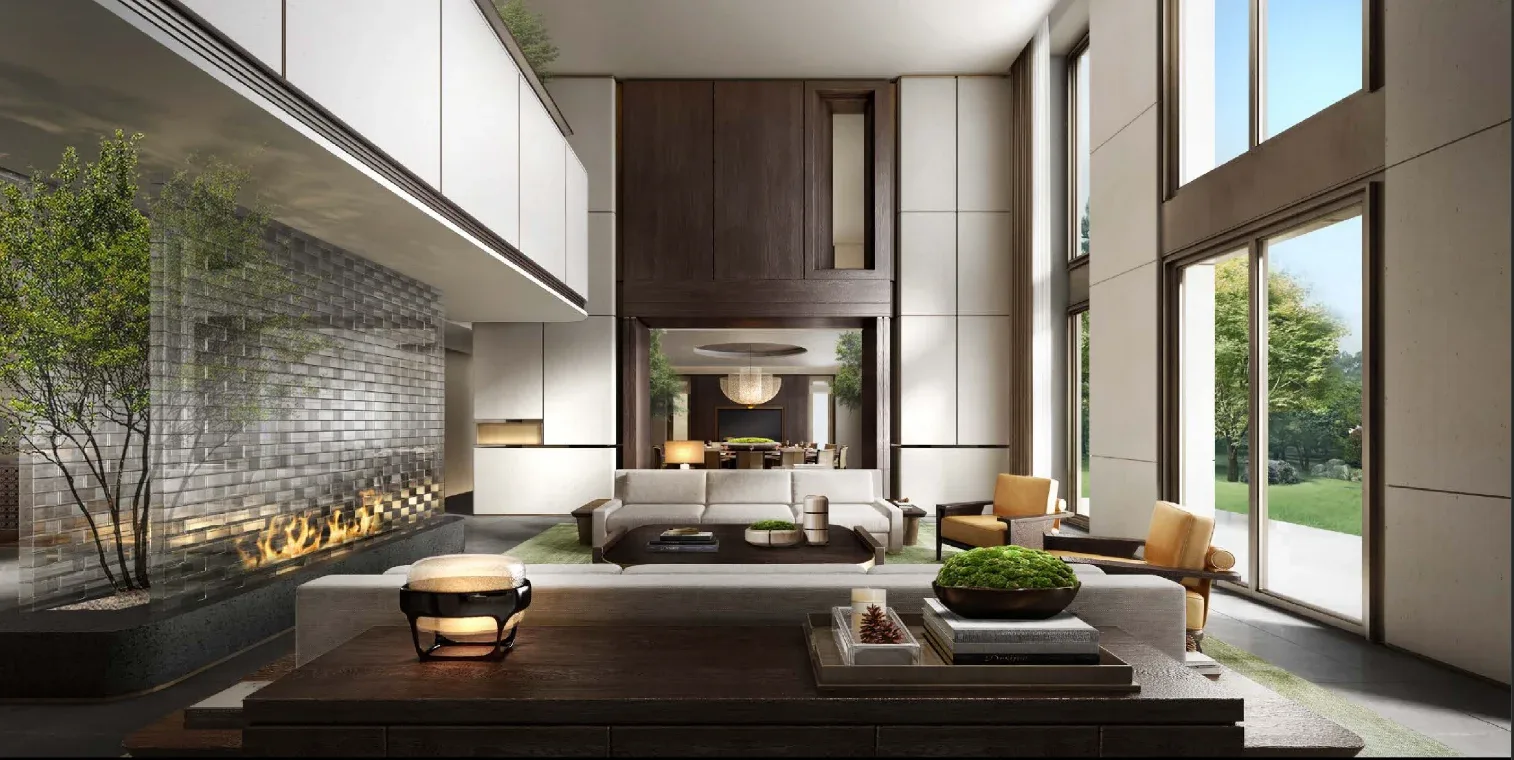
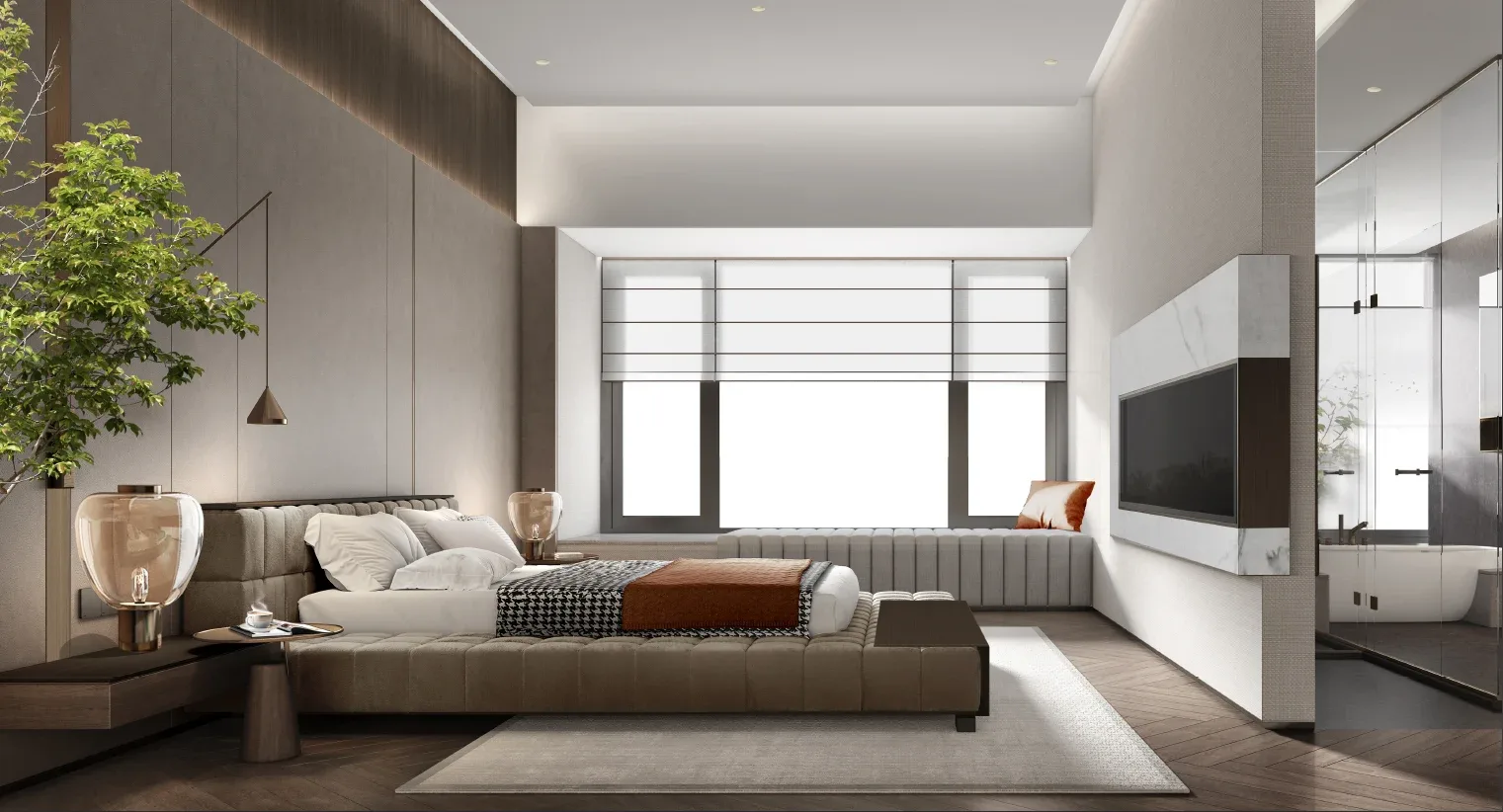
Residential interior design in Hong Kong is shaped by compact living, multi-generational households, and privacy needs. Most homes are apartments where every square metre must work hard. Luxury villas and bungalows, while rare, demand a different logic—balancing openness with exclusivity.
Residential design strategies include:
-
Adaptive layouts that allow spaces to serve multiple functions
-
Integrated storage systems that reduce visual clutter
-
Indoor-outdoor relationships in villas and low-rise homes
-
Smart home integration for security, lighting, and climate control
Design must respond to lifestyle patterns—hosting family gatherings, working from home, or simply finding moments of calm in a fast city. As locals say, “住得舒服,心先定.” Comfort creates emotional stability.
Unique Interior Design Ideas We Implement
Context-Driven Innovation, Not Trends for Trends’ Sake
In Hong Kong, unique design ideas must be practical, scalable, and contextually intelligent. Examples include:
-
Biophilic micro-integration using light, texture, and natural references where space is limited
-
Adaptive zoning systems using sliding panels and modular furniture
-
Material contrast strategies combining refined finishes with industrial honesty
-
Cultural-modern fusion interpreting Chinese spatial principles in contemporary form
-
Technology-enhanced experiences without visual clutter
Each idea is grounded in how people actually use space in this city.
Why Interior Design in Hong Kong Requires Local Intelligence
Designing in Hong Kong requires more than creativity. It demands:
-
Deep understanding of building codes and fire regulations
-
Knowledge of local supply chains and construction sequencing
-
Awareness of commercial leasing realities and ROI pressures
-
Sensitivity to cultural behaviour and user expectations
Without this intelligence, even visually striking designs can fail operationally. A context-aware Hong Kong interior design company bridges strategy, design, and execution.
Our Design Approach
A Structured, Analytical Process
Our firm follows a disciplined design methodology:
-
Urban & Site Analysis – understanding constraints and opportunities
-
Concept & Spatial Strategy – aligning function, emotion, and identity
-
Visualisation & Detailing – translating ideas into buildable solutions
-
Technical Coordination – integrating services, structure, and compliance
-
Execution & Control – maintaining design intent through construction
-
Final Styling & Handover – delivering a complete, functional environment
Every decision is explained, tested, and refined.
Transform Your Commercial or Residential Space in Hong Kong
Interior design in Hong Kong is a strategic investment—one that shapes how people work, live, and connect. Whether designing a hotel, office, restaurant, or home, success depends on local intelligence, spatial strategy, and disciplined execution.
As a Hong Kong interior design company, our firm brings analytical thinking, cultural sensitivity, and design clarity to complex environments—helping spaces perform, endure, and resonate.
Connect with us in