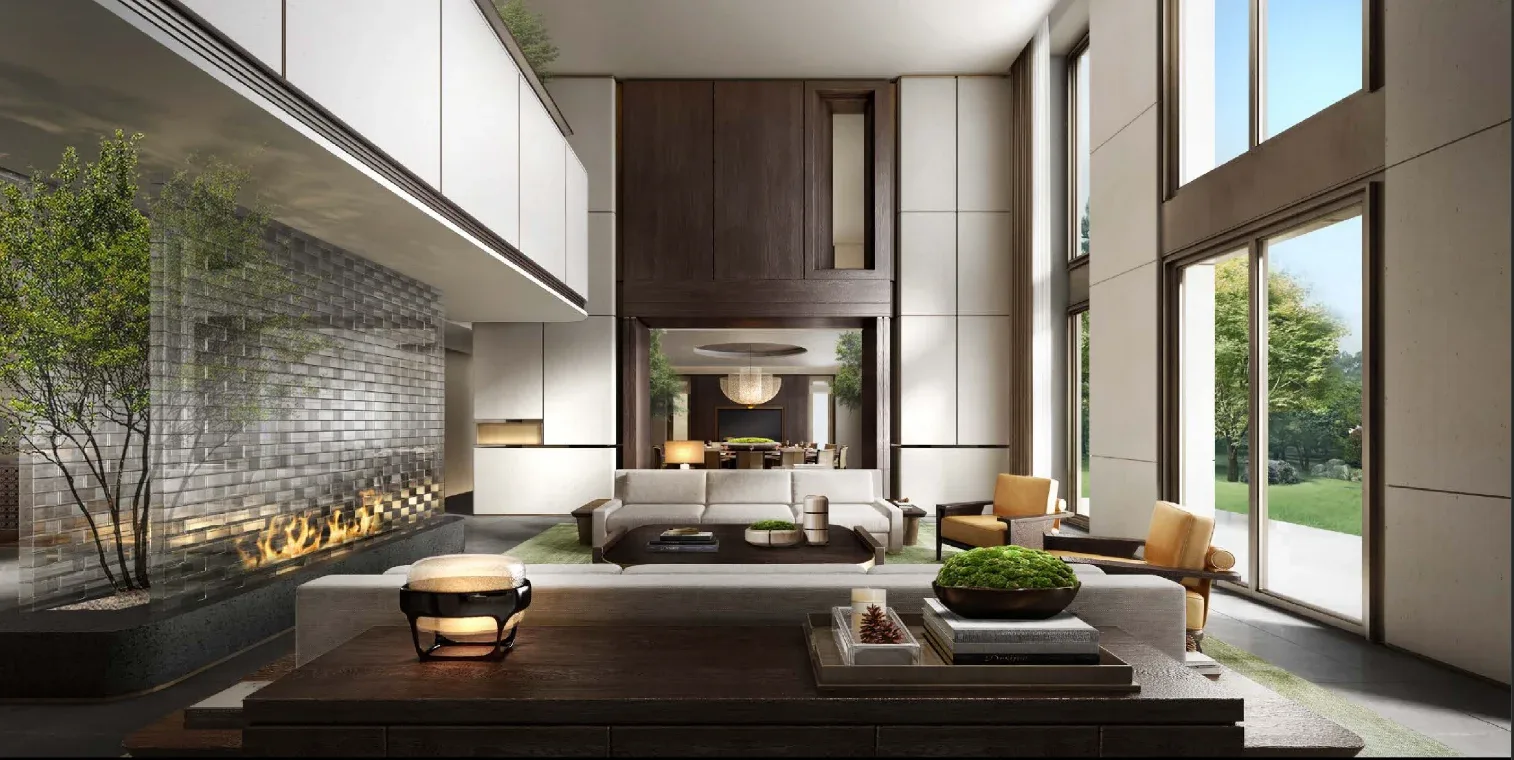
Interior Design Hong Kong | What’s Next in Office Architecture? A Hong Kong Interior Design Perspective
Reimagining the Workplace in Hong Kong’s Evolving Business Landscape
Hong Kong remains one of Asia’s most influential financial and commercial hubs, with districts such as Central, Admiralty, Quarry Bay, and Kowloon East forming a dense network of high-performance business environments. Despite global economic shifts, the city continues to attract multinational corporations, financial institutions, fintech startups, and professional service firms seeking strategic access to Asia.Interior Design Hong Kong
Recent occupier sentiment trends across Europe and Asia reflect a shared direction: companies are becoming more intentional about space utilization. Rather than expanding aggressively, many occupiers are prioritizing efficiency, flexibility, and quality over sheer size. In Hong Kong—where Grade A office space is both premium and competitive—this mindset is even more pronounced.
Hybrid work has reshaped expectations. Offices are no longer daily necessities for all employees but purposeful destinations for collaboration, innovation, and culture-building. In this context, Interior Design Hong Kong is evolving rapidly to support a new era of workplace experience—one that is flexible, human-centric, and emotionally engaging.
From Static Offices to Living Ecosystems
Office architecture is undergoing a fundamental transformation. The traditional model of fixed desks and rigid layouts is giving way to dynamic, experience-led environments.
As workplace designers, our firm sees this shift as a move from “space efficiency” to “experience efficiency.” Offices are no longer just containers for work—they are platforms for connection, creativity, and identity.
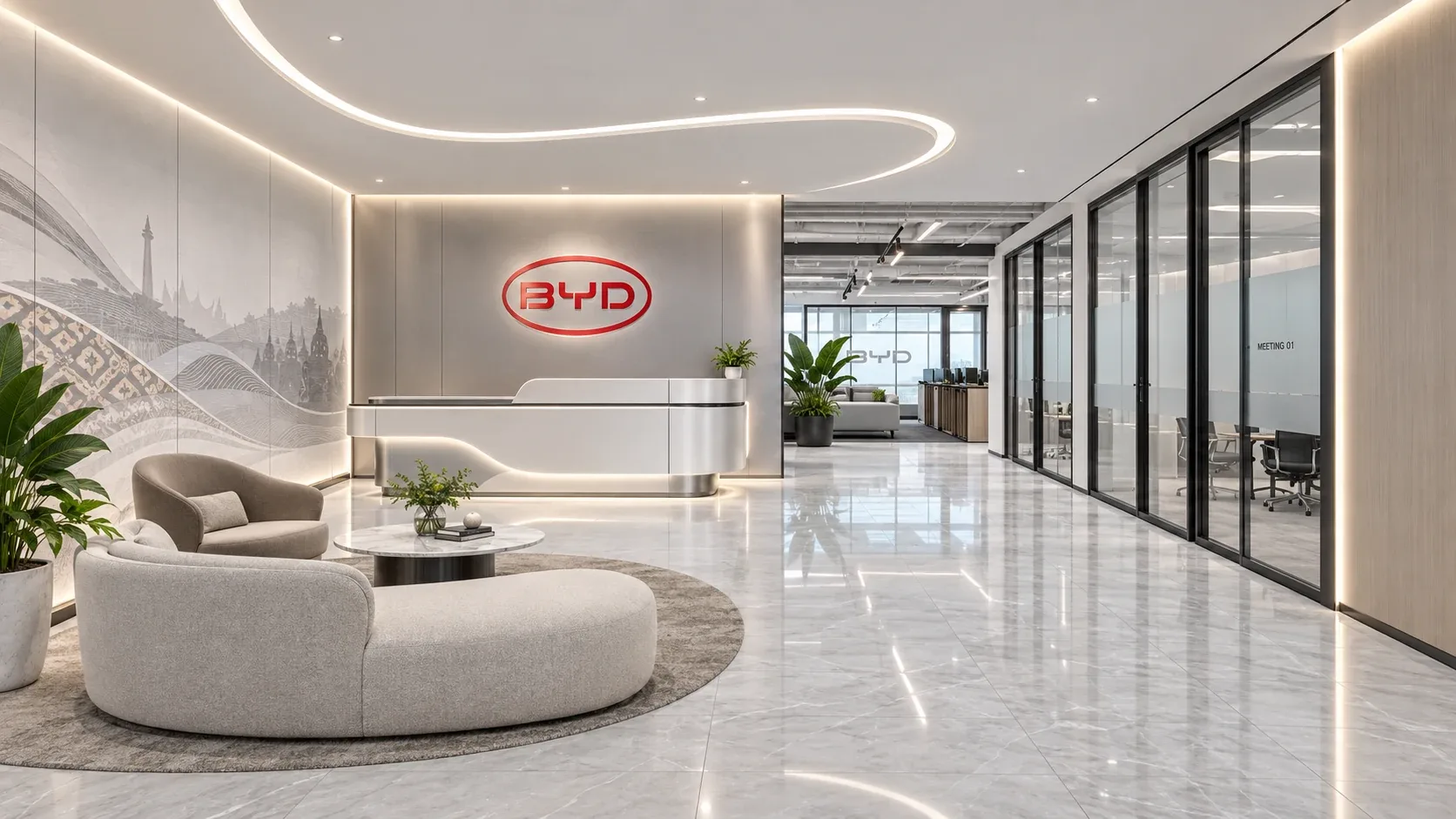
In Interior Design Hong Kong, this is particularly relevant due to limited spatial availability and high rental costs. Every square meter must work harder, smarter, and more meaningfully. Offices in Central’s glass towers or Quarry Bay’s business clusters are now being reimagined as fluid ecosystems that support multiple modes of working throughout the day.
As we often say in Cantonese workplace culture, “打工仔都需要好環境”—employees deserve environments that support both performance and wellbeing.
The Future of Office Architecture: Experience-Led Design
The future of workplace design is no longer defined solely by efficiency, but by adaptability and emotional resonance. Several key strategies are shaping this evolution:
1. Activity-Based Working (ABW)
Modern offices are designed around activities rather than assigned seats. Employees choose environments based on tasks—focus zones, collaborative lounges, or informal meeting areas—creating flexibility and autonomy.
2. Hybrid Work Integration
Workplaces now act as collaboration hubs rather than full-time destinations. This requires seamless integration of digital infrastructure, video conferencing spaces, and plug-and-play workstations.
3. Multi-Functional Environments
Spaces are designed to transform throughout the day. A meeting room in the morning can become a brainstorming lounge in the afternoon and an event space in the evening.
In Interior Design Hong Kong, these strategies are essential to maximize both operational efficiency and employee engagement within compact urban footprints.
Human-Centric Workplaces: Designing for Wellbeing and Connection
One of the strongest global shifts in workplace design is the growing emphasis on human experience. Employees today expect more than functionality—they expect care, comfort, and emotional balance.
Award-winning workplace projects by our firm consistently prioritize wellbeing through:
- Natural light optimization to reduce fatigue and enhance mood
- Biophilic design elements such as greenery and organic textures
- Acoustic control systems for focus and privacy in dense office layouts
- Ergonomic furniture supporting long-term physical health
- Wellness spaces for rest, meditation, and emotional reset
In Hong Kong’s fast-paced culture—where long working hours are common and performance expectations are high—these design elements are not luxuries; they are necessities.
This is where Interior Design Hong Kong becomes deeply human: creating spaces that allow people to breathe, think, and thrive amidst intensity.
Technology and Sustainability: The New Design Imperatives
The future of office architecture is inseparable from technology and sustainability.
Smart office systems now enable real-time monitoring of space usage, allowing companies to optimize occupancy and energy consumption. Sensors, AI-driven lighting, and adaptive HVAC systems are becoming standard features in high-performance workplaces.
At the same time, sustainability is no longer optional. In Hong Kong’s competitive real estate landscape, ESG compliance and environmental responsibility are influencing occupier decisions more than ever.
Our firm integrates:
- Low-carbon and recycled materials
- Energy-efficient lighting and climate systems
- Flexible layouts that reduce renovation waste
- Design strategies that extend building lifecycle value
These innovations ensure that Interior Design Hong Kong remains future-ready while supporting corporate sustainability goals.
Award-Winning Design Thinking: Insights from Practice
Across our award-winning workplace projects in Asia and beyond, a consistent pattern emerges: successful offices are those that align culture, space, and strategy.
In one multinational headquarters project, the challenge was to unify diverse teams across multiple departments while maintaining brand consistency. Through layered spatial zoning and storytelling-driven design, we created a workplace that improved cross-team collaboration by over 30% and significantly increased employee satisfaction scores.
In another compact urban office in a dense financial district, the challenge was spatial limitation. By introducing flexible furniture systems, vertical zoning, and acoustic micro-environments, we transformed a constrained footprint into a high-performance workspace.
These outcomes reinforce a core belief: great office design is not about size—it is about intelligence, empathy, and clarity of purpose.
This philosophy is embedded in every Interior Design Hong Kong project we deliver.
Localization: Designing for Hong Kong’s Unique Identity
Hong Kong’s workplace culture is shaped by speed, ambition, and global connectivity. Offices in Central symbolize prestige and financial power, while Kowloon East reflects innovation and emerging business ecosystems. Quarry Bay blends creative industries with corporate functions, forming a hybrid business landscape.
Our design approach responds directly to this diversity.
We integrate:
- Compact, efficient planning for high-rent districts
- Flexible meeting environments for hybrid teams
- Cultural subtlety through material selection and spatial calmness
- Design language that balances international professionalism with local identity
As locals often say, “快靚正”—fast, beautiful, and efficient. This mindset strongly influences how workplaces must perform in Hong Kong today.
Conclusion: Shaping the Future of Work in Hong Kong
The future of office architecture is not defined by walls or layouts, but by experience, adaptability, and human connection.
Through Interior Design Hong Kong, our firm continues to redefine what workplaces can be—transforming them into living environments that support collaboration, wellbeing, and long-term business success.
As hybrid work continues to evolve and occupier expectations become more refined, organizations must rethink their offices not as static assets, but as strategic tools for culture-building and performance.
Our firm stands at the forefront of this transformation—delivering award-winning, people-centric workplaces that respond to the evolving nature of work in Hong Kong and beyond.
Connect with us in