Residences · Hong Kong
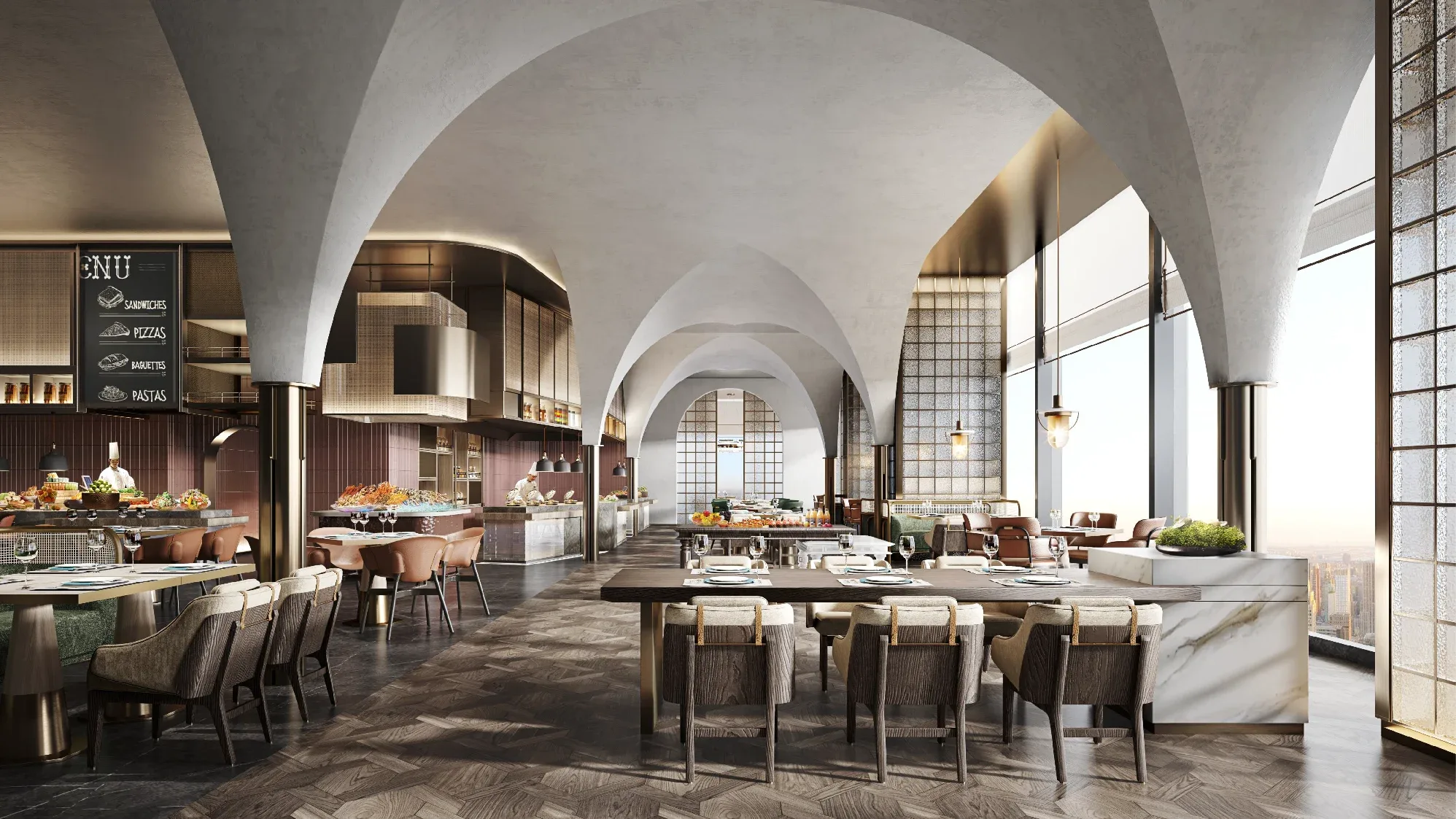
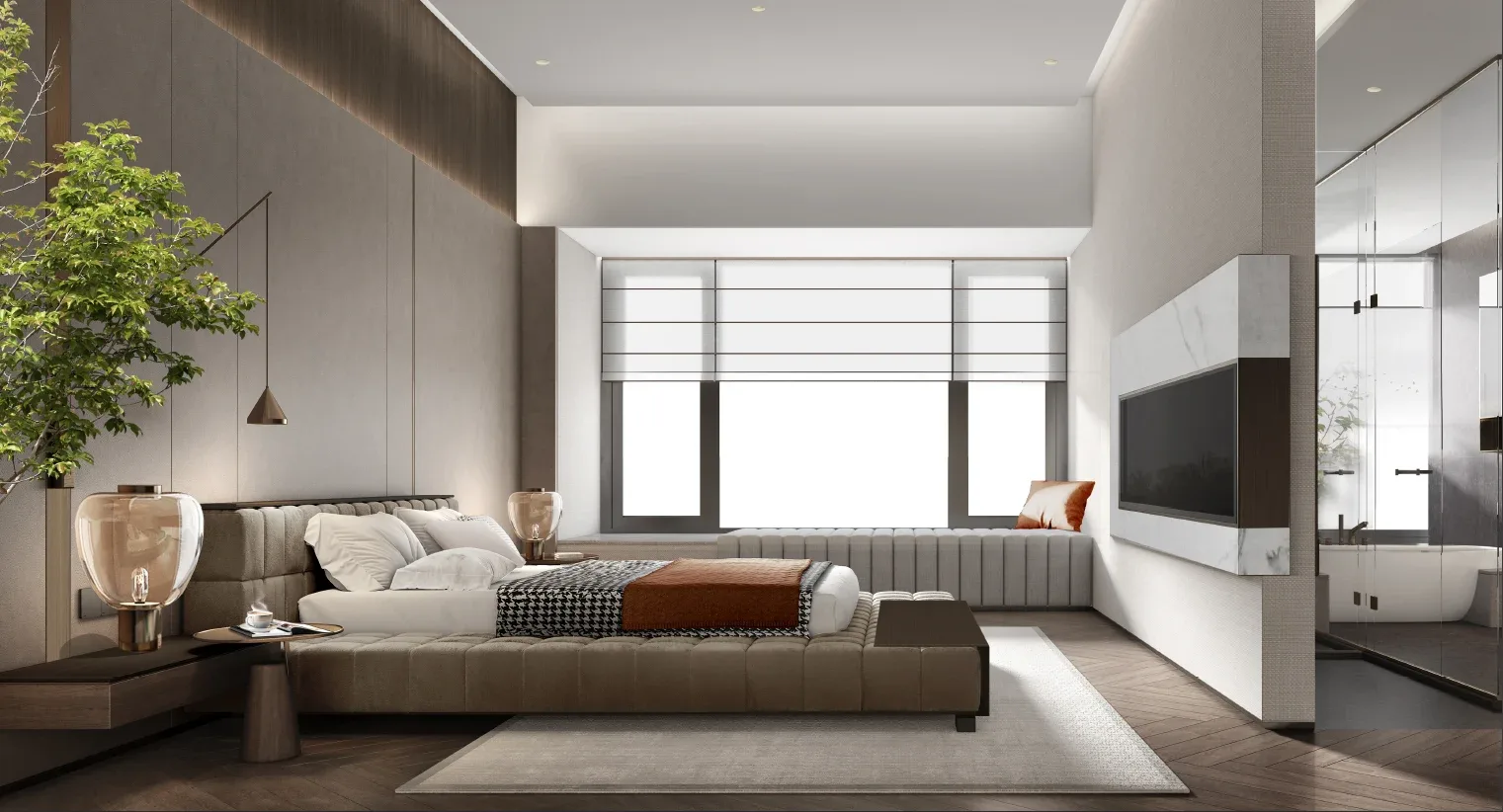
Homes, hospitality and commercial spaces. From the first spatial plan to the final detail, shaped around the way you live and work.
Explore selected work ↘ Discuss your project ↗A place introduces itself before a word is spoken. These studies explore the welcome, the threshold and the character of what lies beyond.

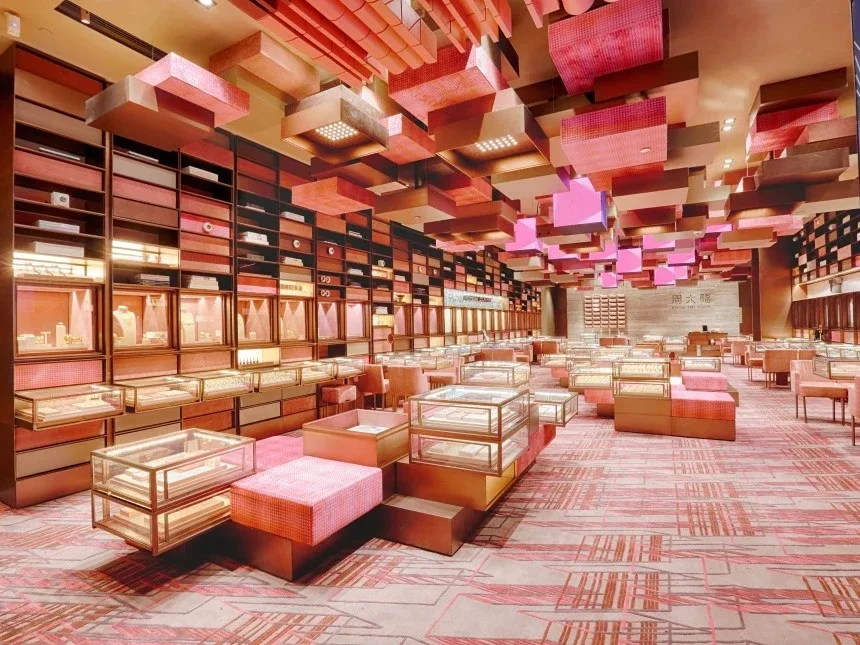
A fluid ceiling line, soft seating and transparent meeting rooms give the entrance a clear, welcoming sequence.
Explore the service ↗
Stone, water and planting compose the approach, bringing landscape and the residential entrance into one experience.
Explore the service ↗In a Hong Kong home, a sightline, a storage wall or the position of a door can change how the whole space feels. In a shop or hotel, the same care shapes arrival, service and the customer experience. We connect those spatial decisions with materials, technical coordination and the realities of delivery.
Design, technical coordination, sourcing and project management can be brought together within a clear appointment. The brief decides the team and the scope.

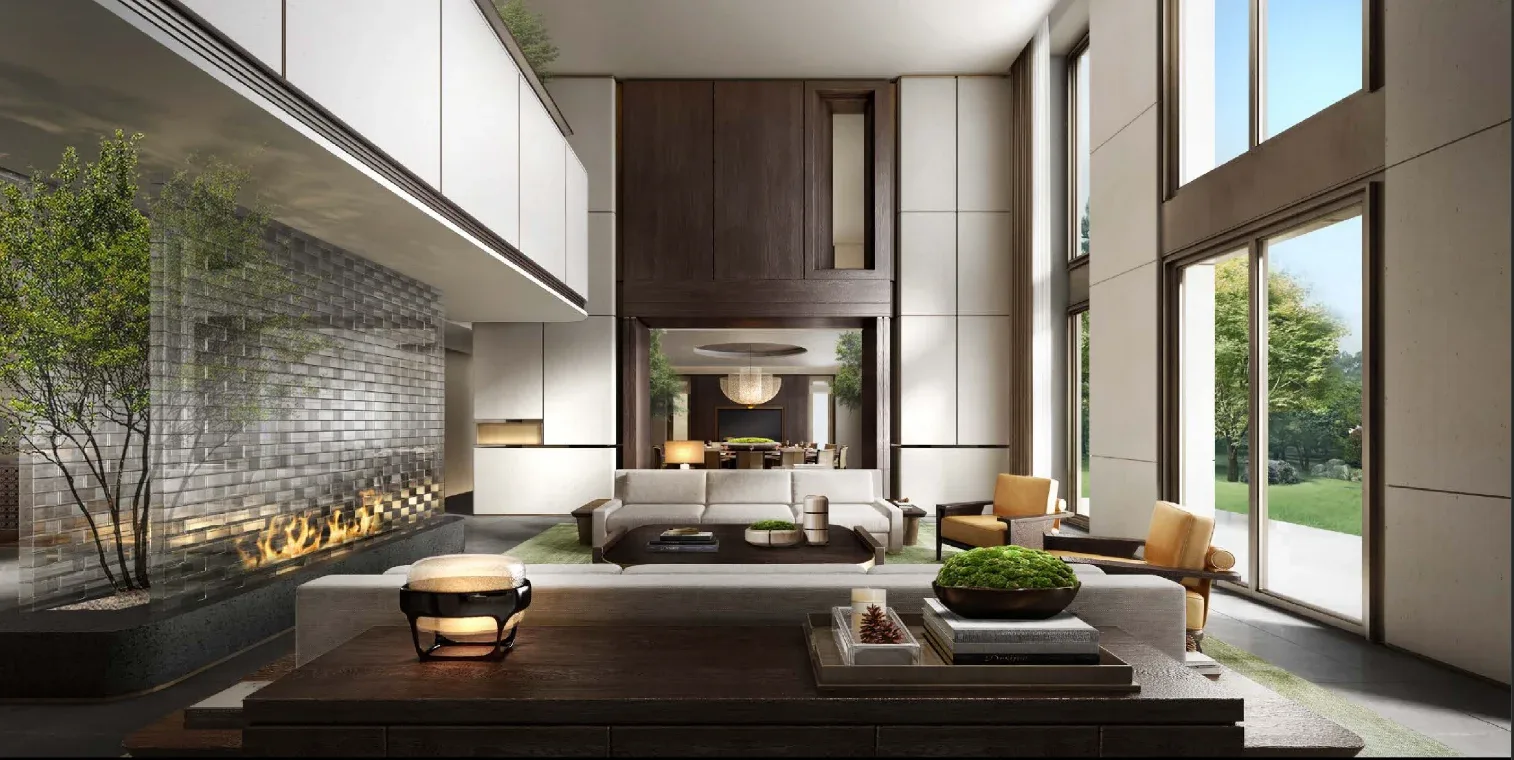
Deep roof overhangs, open living spaces and planted terraces explore how a home can meet its landscape. A different setting, with the same attention to the sequence of arrival, shelter and outlook.
A well-resolved interior needs more than a visual direction. These are the decisions we put on the table when defining your project appointment.
Start with the plan, intended use, budget range and timing. The proposal should identify what matters most, what needs a survey and who will make decisions.
Agree the drawing packages, specifications, procurement responsibilities and exclusions. Review material samples alongside cost and lead-time implications before approval.
For appointed coordination services, use a shared programme and drawing register. Record changes with their cost and timing implications before authorising them.
Agree inspection, outstanding-item tracking and the handover documents within the appointment. Contractor and specialist responsibilities should be clear from the beginning.

The grain of timber. The edge of stone. Light held against a textured wall. We look at how materials meet, age and feel in daily use, then carry that attention from the first sample to the final junction.
Discover our approach ↗We work across private residences, hotels, restaurants, retail and workplaces. Share the property, intended use and scope so we can discuss the appropriate team and appointment.
Design, technical coordination, procurement and project management can be combined within an agreed appointment. We set out who is responsible for each package before work begins.
The existing condition, floor area, services, bespoke joinery, finishes and installation access all influence cost. A useful estimate starts with a site review and a written scope, with allowances and exclusions made clear.
Yes. We can arrange scheduled video reviews, a shared drawing set and a decision log. Site access and a local contact should be agreed at the beginning.
Timing depends on scope, surveys, design decisions, building management requirements and material lead times. We agree a programme after reviewing these dependencies rather than promising one duration for every project.
Yes. Renovation begins with understanding the existing layout and condition. Retained elements, service routes and access constraints are recorded before the design is developed.
Yes. Within the agreed scope, we coordinate samples, specifications, supplier information and lead times. Before ordering, we review dimensions, delivery access, installation and maintenance requirements with the relevant parties.
Send the project location, property type, approximate area, a plan if available, your priorities and preferred timing. An indicative investment range helps us discuss a realistic scope.